
Wedding Planning Timeline After Getting Engaged
wedding planning timeline after getting engaged
what to do first (and how many months you’ll need)
by Style-Architects Weddings, a luxury wedding planning and design studio based in Minneapolis, Minnesota
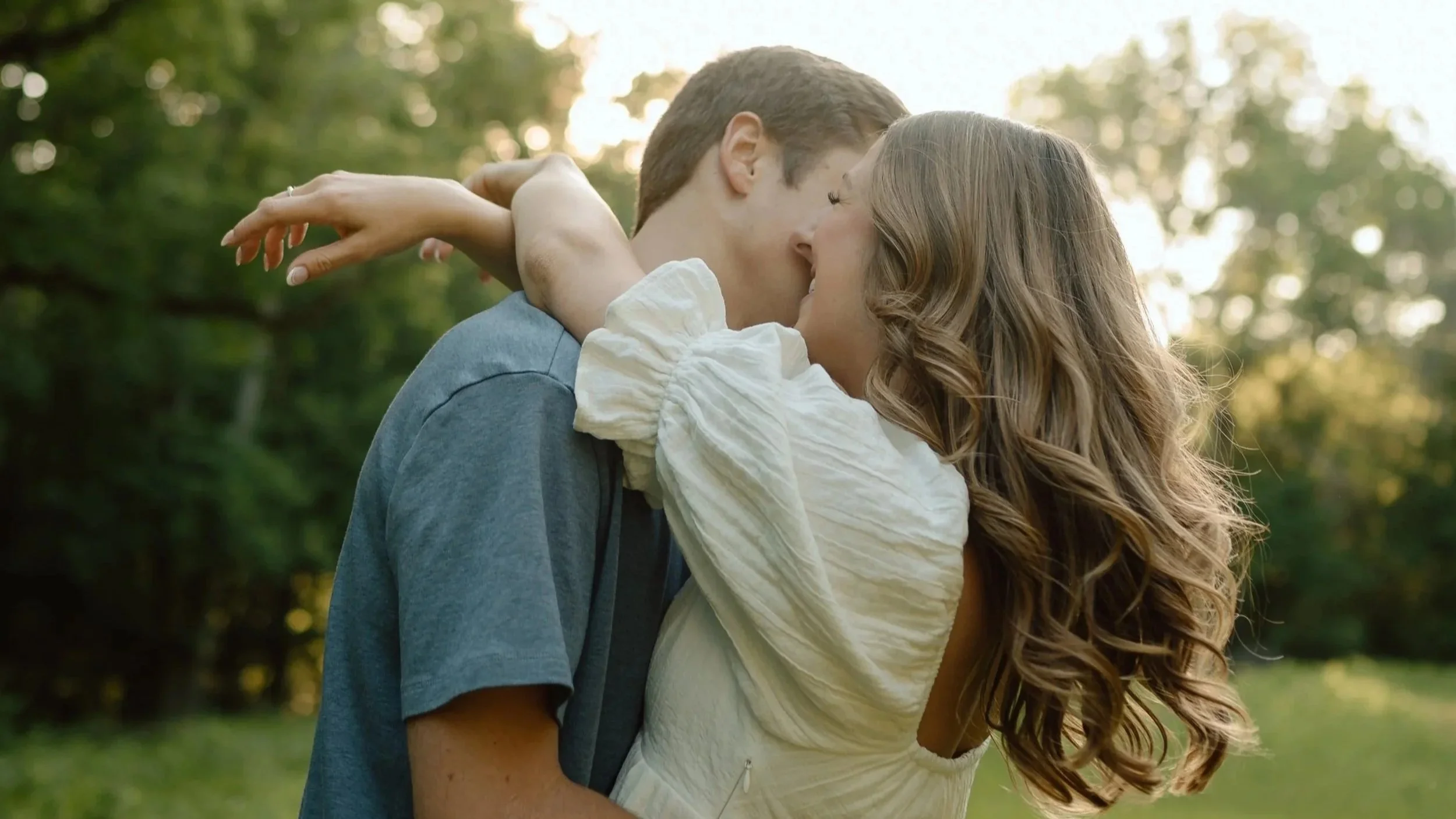
photo credit: Sydney Leigh Heitkamp
You’re engaged, congratulations! After the celebration quiets, you may start wondering about the logistics of how to start planning your wedding, and how long the process actually takes. Lucky for you, we’re here to help. As award-winning Minnesota wedding planners and designers with decades of expertise under our belt, here at Style-Architects Weddings we know everything there is about how to proceed post-engagement! If you’re confused, you’re not alone. One of the most common questions newly engaged couples ask is:
“How soon should we start planning our wedding?”
The short answer: earlier than you think… but not all at once.
You’re at the start of an incredible journey, but don’t stress. This complete wedding planning timeline guide breaks down what to do first, how many months you realistically need, and how to plan your wedding with intention.
how long does wedding planning take?
Most couples take 12–18 months to plan their wedding, which is why many timelines are based on that average engagement length. This window allows for the widest venue and vendor availability, more space for thoughtful decisions, and a generally more relaxed planning experience. That said, a shorter timeline can still lead to an extraordinary celebration. A short timeline (less than 6 months) calls for clear priorities, flexibility, and expert guidance. We highly recommend hiring a full-service planner in these instances, as they can quickly leverage their connections to find open, top vendors in a matter of days, not weeks. (Our current record for planning a large wedding is two months, so we know what we are talking about!)
common wedding planning timelines
The length of your engagement plays a big role in shaping how your planning process unfolds: from which vendors are available to how much time you have to dream about design. There's no one right amount of time to plan a wedding, just what’s right for you.
Think of the timelines below as a helpful guide, not hard rules. Each range has its own rhythm, trade-offs, and possibilities.
12-18+ months: This is the sweet spot for many couples. It offers a balanced pace and lots of choice. You’ll have access to in-demand venues and vendors (especially for peak-season dates), and enough time to explore ideas, make thoughtful decisions, and let your vision evolve naturally. You don’t have to rush, but keep things moving. It’s ideal if you want a full, immersive planning experience without the pressure to make every decision immediately.
10-12 months: While shorter, this timeline still offers plenty of flexibility, especially if you’re planning a destination wedding, a smaller celebration, or shoulder months to peak-season. You’ll still have a strong selection of vendors to choose from, but perhaps not every vendor will be available when you reach out to them, so vendor research may take a little longer. This is the range where you need to start strong, but then can take a breath and ease into planning without sacrificing the quality or creativity of your event.
6 - 10 months: This window means you need to move a little quicker, but it’s still very doable. You’ll want to come in with a clear vision (or be open to making fast decisions as you go), especially if you’re eyeing a popular date. You will find many vendors already booked, but there will still be fantastic options, especially if you work with a planner you trust to connect you with the right people quickly.
Under 6 months: Still totally possible! Especially for micro-weddings, elopements, or couples who simply don’t want a long engagement. Think of this timeline like booking a last-minute dream vacation: you will have fewer options, but the results can still be stunning. If you want this compact timeline to remain stress-free, we highly recommend hiring an experienced planner. With clear priorities and a solid planner in your corner, you can focus on what really matters and make magic happen, quickly. Your planner may even be able to secure some cost savings, as vendors may offer discounts to fill unbooked dates. With our experience, we’ve helped couples plan gorgeous weddings in less than three months!

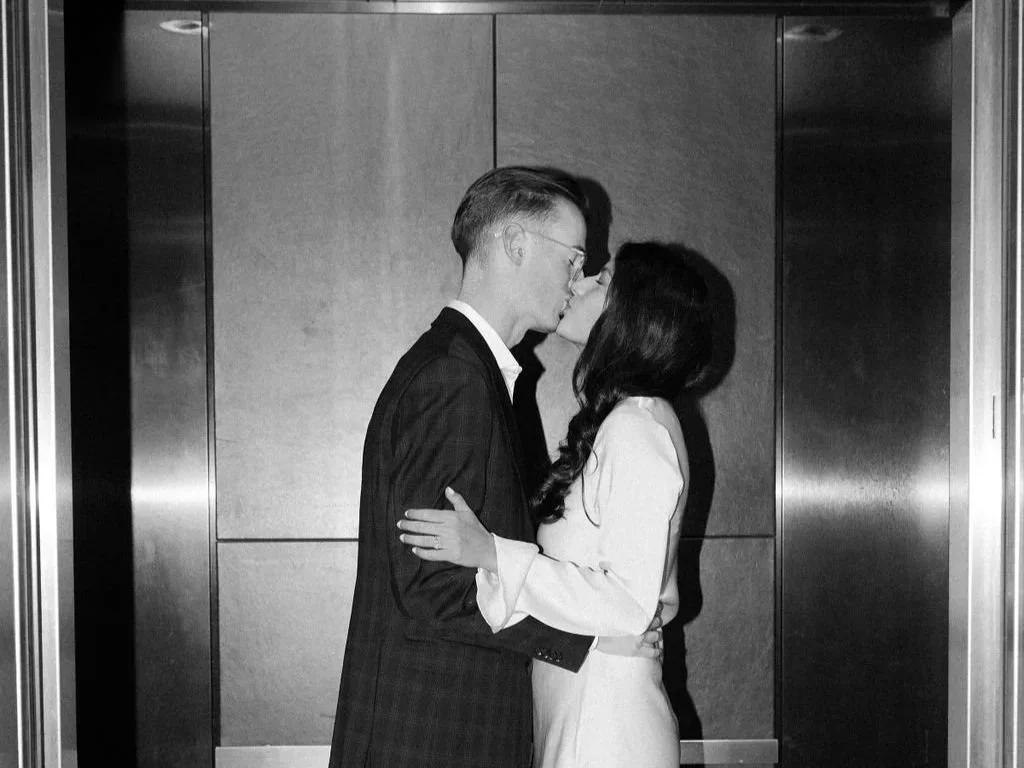
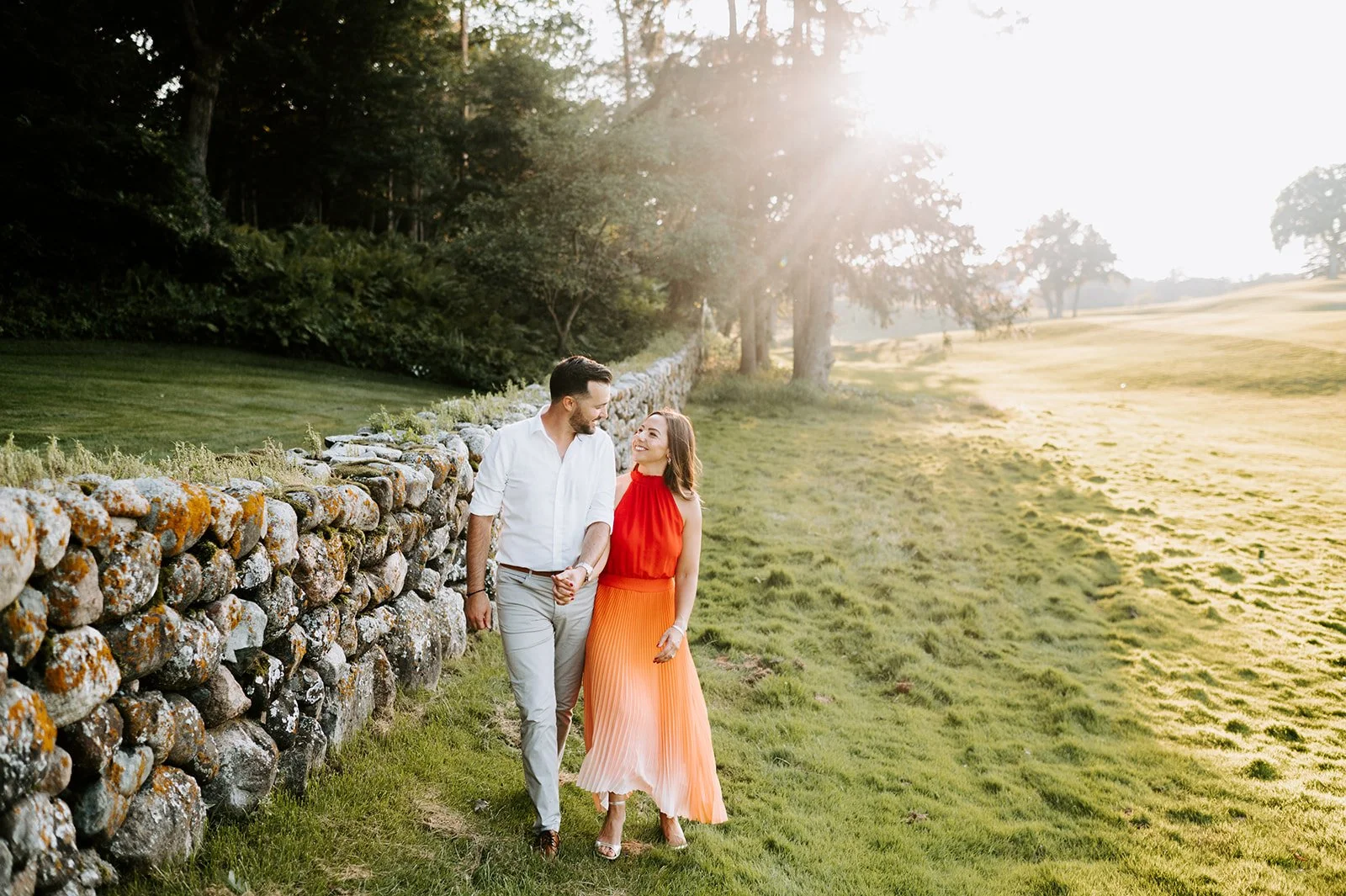
photo credits: Sarah Ascanio, Russell Heeter, Ali Leigh
THE REAL WEDDING PLANNING TIMELINE
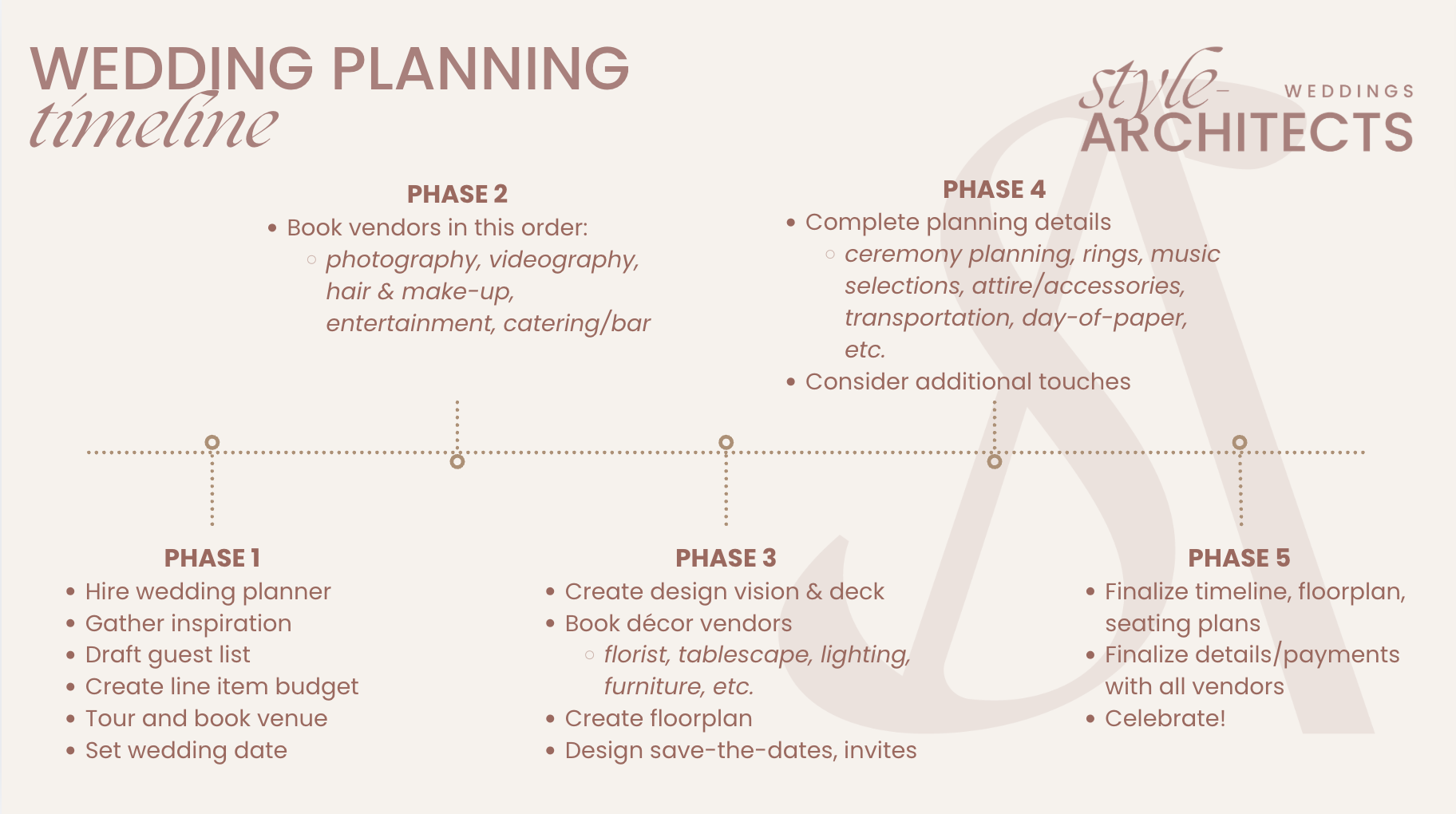
We have organized the planning timeline into 5 phases; the suggested months follow an average 12+ month timeline, but if you’re operating in a shorter span, simply ignore this and follow the phases in sequence. No matter the length of your planning timeline, each step needs to be completed.
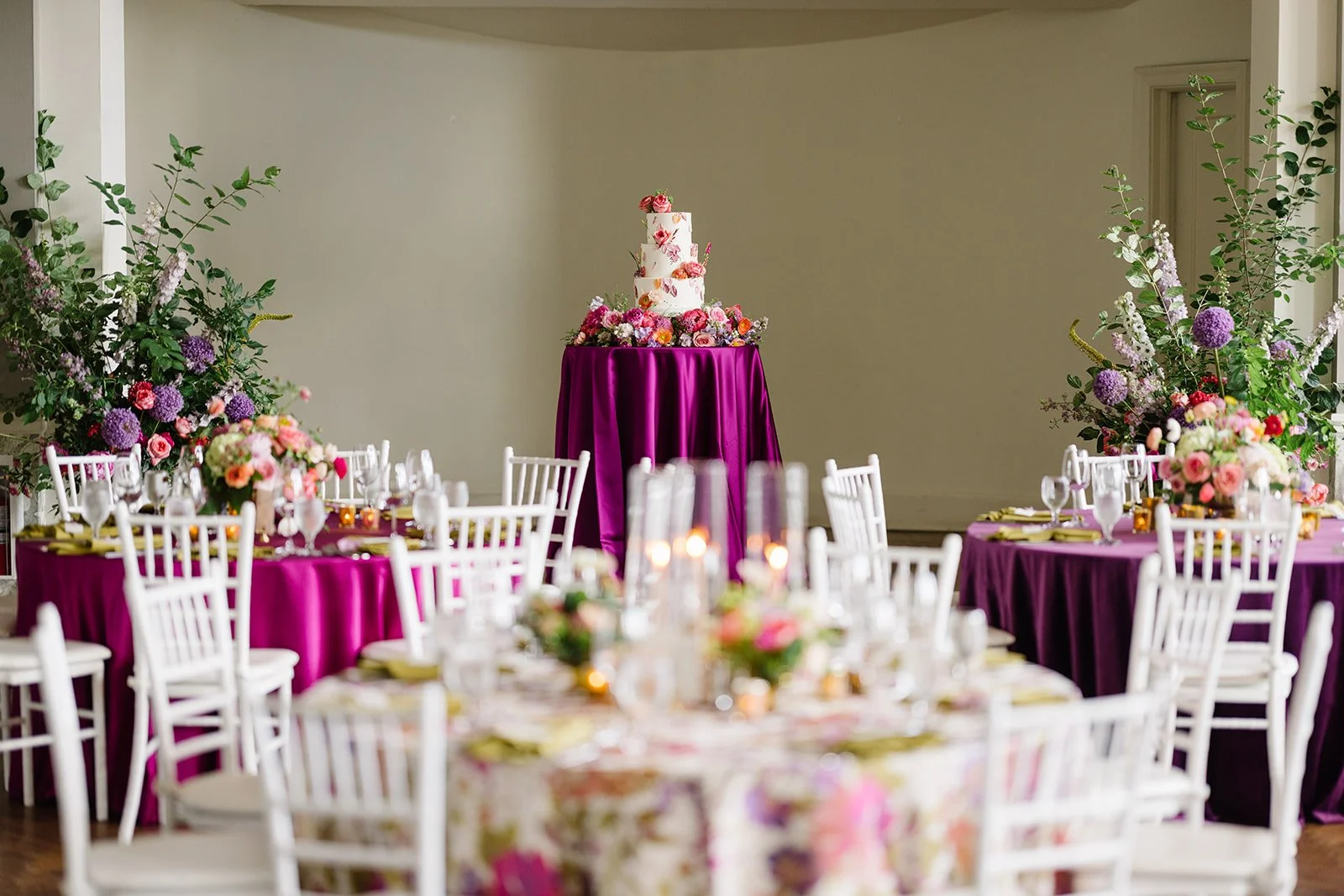
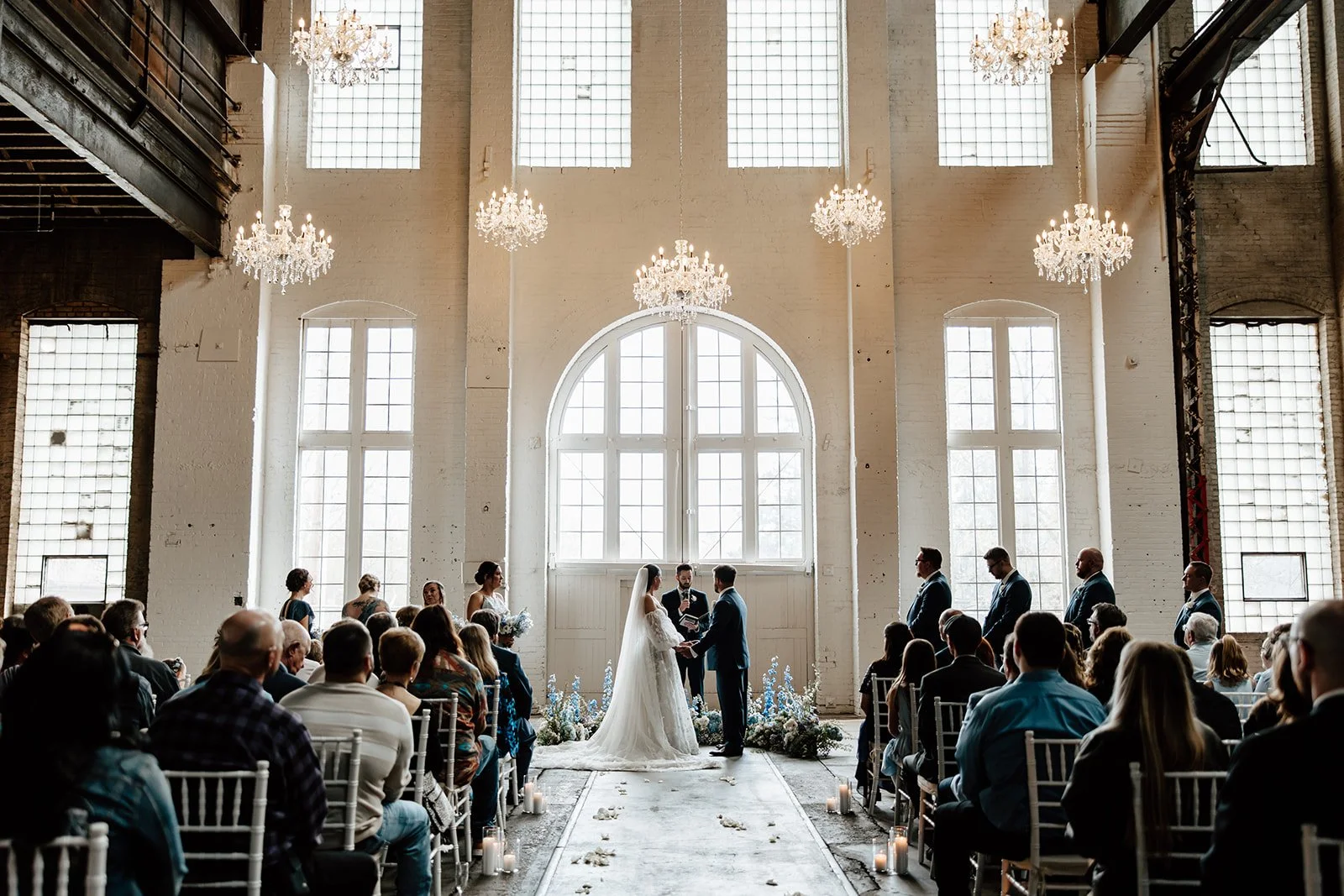
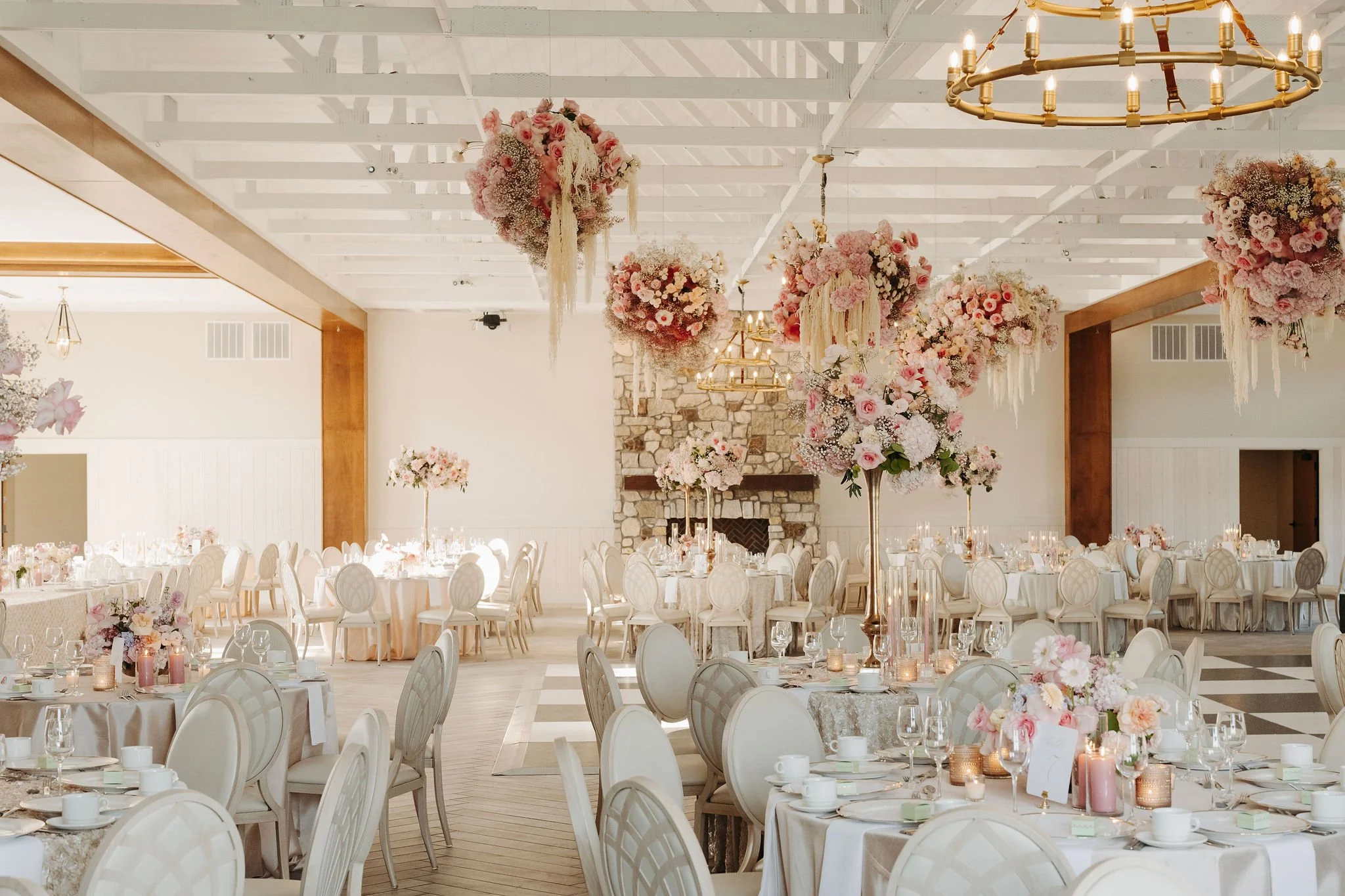
photo credits: Shane Long, Sarah Heath, Russell Heeter
phase 1: FOUNDATION & BIG DECISIONS
locking in the basics
The first few months are essential for building a strong foundation you’ll benefit from through the rest of the process. The decisions you make here will guide everything that follows. These initial basics include gathering inspiration, drafting your guest list, creating a budget, and touring venues to determine your wedding date.
gather wedding inspiration
Now for the fun part: defining your wedding style! Start collecting inspiration that reflects your shared vision, not just trends.
Think about:
Overall vibe (romantic, modern, timeless, destination)
Color palette
Season and setting
Guest experience
Pinterest, Instagram, and real wedding blogs are great starting points. Look for patterns in what you’re drawn to rather than trying to decide everything at once. A wedding planner will help you break down common themes and translate your ideas into a cohesive and realistic vision. If you need proof, check out our Design Experience page to see how we have brought visions to life!
draft a preliminary guest list
Before venue touring or date selection, create your guest list. We suggest listing actual names and consolidating with parent lists as opposed to arbitrarily setting a number you want to target. Scope creep is a real thing when it comes to guest lists!
This is important because your guest count influences:
Venue size
Catering and bar costs
Rentals and decor costs
Your overall wedding budget
Setting a guest count early is essential before moving forward with major decisions.
set your wedding budget
A clear budget makes every other decision easier. Sit down with your partner and parents, if they plan to contribute, and discuss:
Your total comfortable investment
Your top priorities (venue, food, photography, bar, entertainment, design)
How much each party is contributing
How readily the funds will be available
Longer engagements allow you to spread payments out over time.
Then, break that total investment up into a line-item budget. Use online tools with caution. Budgets allocated purely based on percentages don’t work well for smaller budgets and often suggest amounts below market averages or vendor minimums. Feel free to reach out to vendors to get ballpark estimates to verify numbers. Having clarity early prevents stress later.
Need additional guidance on setting your budget? Our Wedding Budget Guide clarifies the process and shares important considerations when making this decision.
tour wedding venues & set wedding date
Book your venue before setting your wedding date. Having a particular date in mind could limit your venue options.
Venues, especially popular ones, often book 12–18 months in advance, particularly for peak months. We suggest venue availability guide your date, not the other way around.
When researching venues, consider:
Guest capacity and layout
Location and accessibility
Catering and bar options
What’s included (tables, chairs, security)
Rain plans and logistics
Flexibility with your date can open up more options and reduce planning stress. So, once you find your dream wedding venue that fits within your budget and determine the date that works best with its availability, you’re now free to officially set your wedding date!
additional foundational actions
This early phase also includes a few important milestones couples often overlook: purchasing your wedding gown (timelines matter more than you think), securing hotel room blocks for guests, and building your wedding website. Pro tip: create a custom URL and forward the domain to your wedding website. It’s a small touch, but it feels polished and makes it easier for your guests to find the site.
If you’re looking to ease the stress of wedding planning, your first step (before anything else) should be hiring a wedding planner. From day one, they can help you establish and review your budget, recommend venues to tour, and streamline the entire planning process. Be sure to choose a planner with a strong, well-established reputation in the industry. Their connections can be invaluable in securing the best vendors to bring your vision to life.
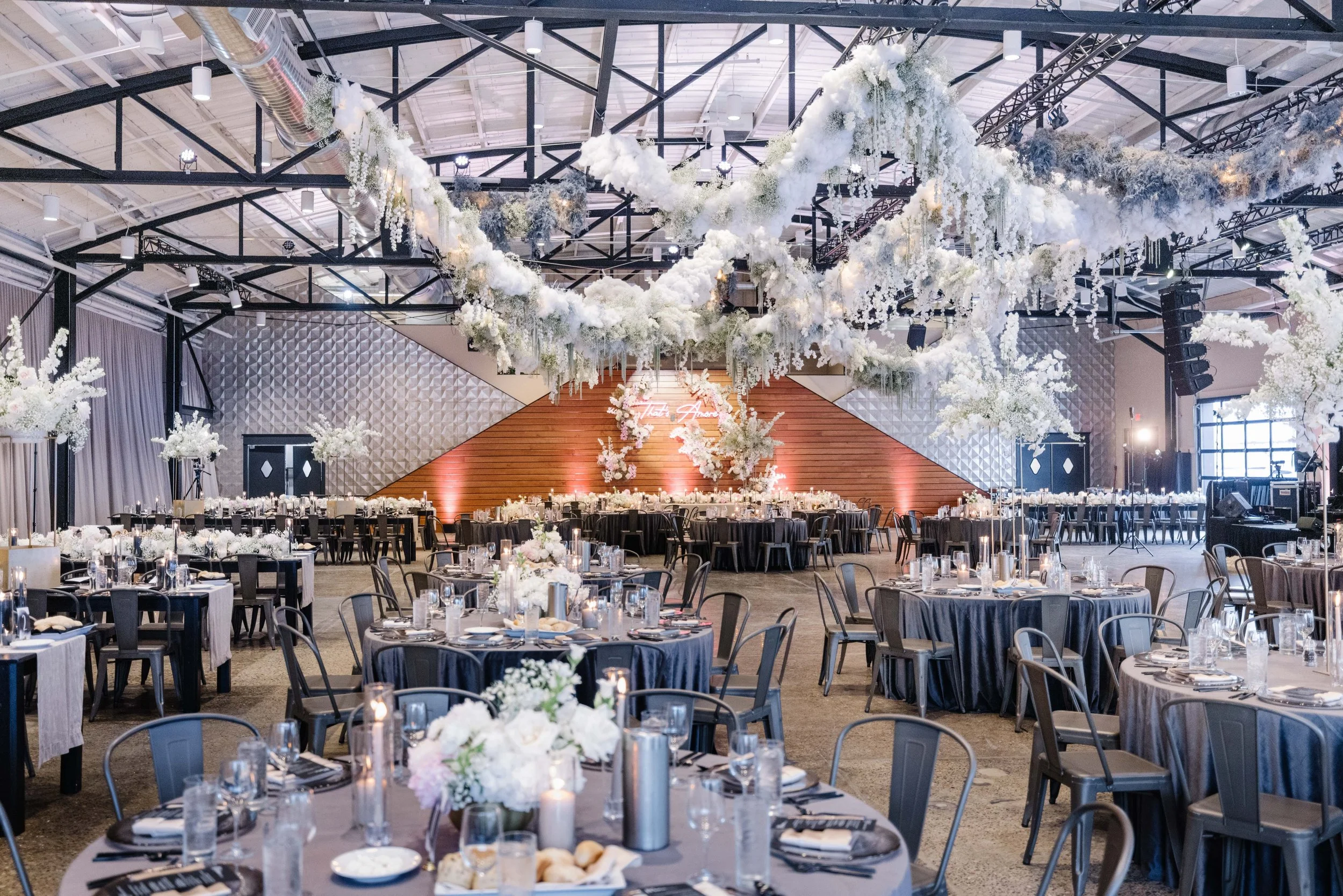
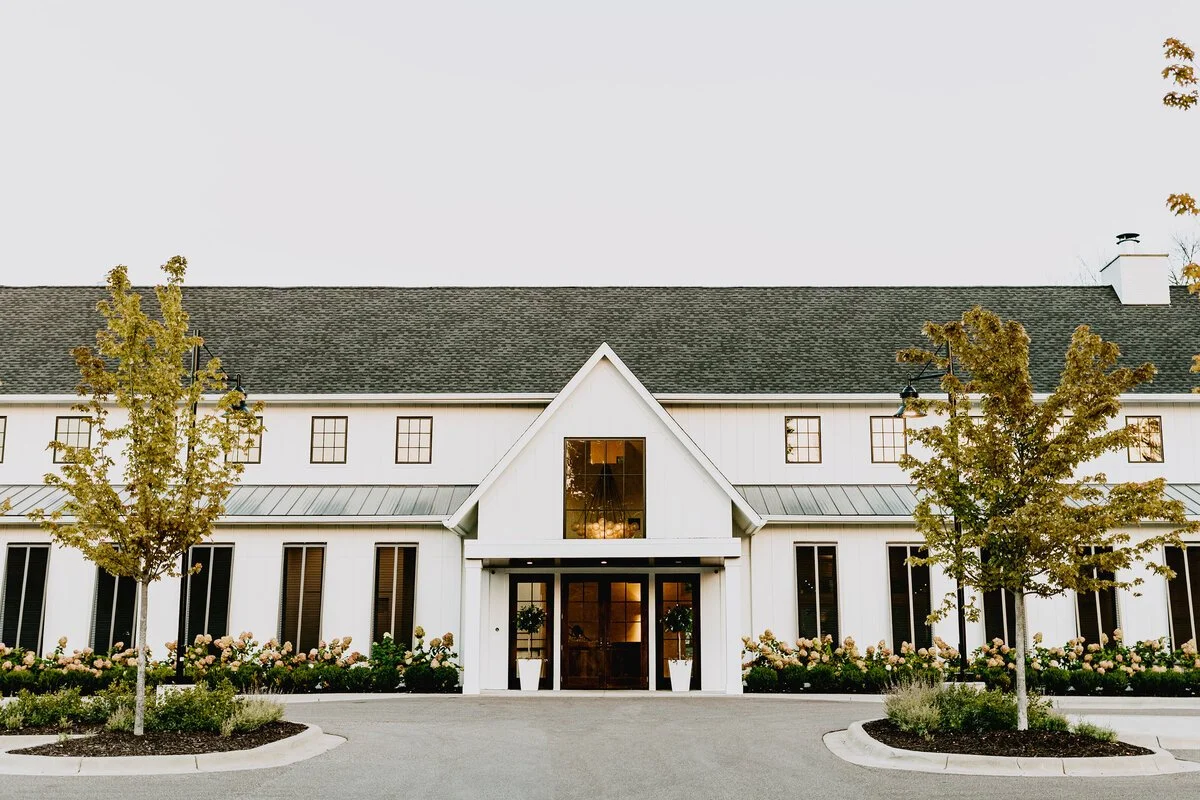
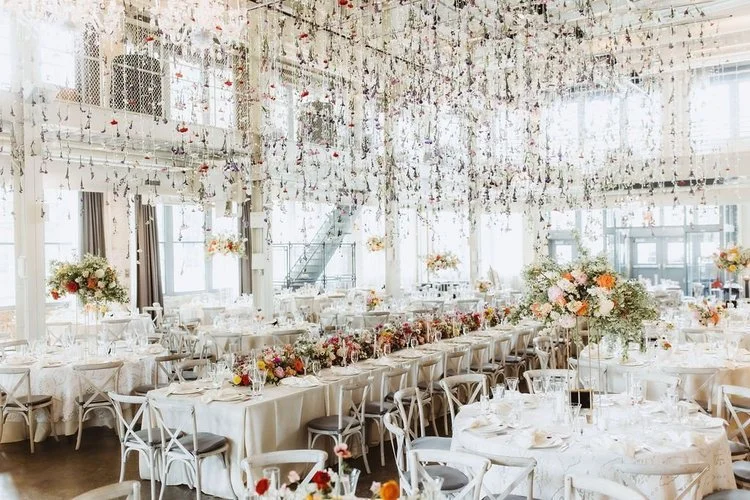
photo credits: Shane Long, Shane Long, Matt Lien
phase 2: VENDOR STRATEGY
building your vendor team
Timeline importance comes into play for hiring your key vendors. Some of them, especially well-established ones, might need to be booked anywhere from 12-14+ months in advance. Thus, regardless of your timeline, book the following ASAP once you have your date:
Photographer
Videographer/Content Creator
Band/DJ
Hair & Makeup Artists
Catering & Bar
All of the above are in high demand, and many only accommodate one wedding per day, so if you want them on your date, get moving on this. Wants some initial recommendations from us? If you’re planning a Minnesota wedding, check out our Twin Cities Wedding Guides (Part 1 and Part 2) for guidance!
photography & videography/content creation
Vendors that visually capture your day are some of the first vendors you’ll want to book, as top vendors often reserve dates well in advance. However, don’t just book the first option you see online. Compare galleries of your favorites and look at the editing, photo composition, and lighting. How do they differ? Which do you prefer? When reviewing portfolios, think long-term. These are images you’ll look back on for decades, so we suggest skipping the editing fads and going for classic, true color editing.
Once your photographer is secured, your engagement session becomes an important next step. Not just for photos but also to establish comfort and connection with your photographer. Think of it as a style test and a chance to get comfortable in front of the camera (because yes, kissing in front of a lens can feel awkward at first!). Engagement sessions also help you refine what you love visually, from posing to editing style, and they’re often used for save-the-dates, your wedding website, and, occasionally, day-of décor.
entertainment
Wedding entertainment plays a major role in setting the tone for the celebration, which is why it’s important to plan this piece early. Whether you’re choosing between a wedding DJ, live band, or a hybrid combination of both, your entertainment should reflect the energy and experience you want your guests to have.
It’s not always just booking a DJ and being done with it. Many couples opt for a DJ paired with live musicians, such as a trumpet for ceremony, a saxophonist for cocktail hour, or percussionist for the dance, to create a dynamic, elevated atmosphere. You might choose to go with only live musicians or only a DJ, but have fun during the initial planning and mix-and-match ideas!
It’s also important to consider your ceremony music and audio needs separately from the reception. Even if you envision live musicians for your ceremony, you’ll often still need a professional DJ or audio company to manage microphones and overall audio, especially if your venue does not include built-in AV. From there, entertainment should be thoughtfully integrated into your wedding timeline, ensuring smooth transitions from ceremony to cocktail hour to reception.
hair & makeup
Hair and makeup artists often book much earlier than couples expect, especially for peak wedding dates and Saturdays. Because most teams only service one wedding per day, availability is closely tied to both your wedding date and the number of services needed.
Early in the planning process, you’ll want to determine how many people will be receiving professional hair and makeup — including the couple, wedding party members, and any family members. This allows your artist to confirm whether they can accommodate your group and whether additional artists are required to stay on schedule.
Once secured, your hair and makeup team will help guide scheduling, timing, and trial appointments so everything flows seamlessly on the wedding day.
catering & bar
Catering and bar service are two of the largest line items in your wedding budget, which is why it’s important to understand these costs early, before committing to more discretionary design elements. Having clarity here allows you to allocate your budget thoughtfully and avoid surprises later in the planning process.
CATERING
Choose your catering partner: Availability, service style, and pricing can vary widely, so securing your caterer early helps set realistic expectations for the rest of your planning. Request a sample Banquet Event Order (BEO) from potential caterers so you can see a true estimate of the full costs of working with each caterer.
Schedule your tasting: Tastings vary by caterer. Some offer group tastings with preset menus, while others host private tastings based on the menu you’re considering, meaning you’ll be tasting (and pricing) exactly what you plan to serve.
Attend your tasting and finalize menu selections: This is your opportunity to provide feedback. Does that otherwise perfect little bite need more salt? Say so! This is your time to confirm flavor profiles, presentation, and overall guest experience.
Submit final guest and meal counts: Final numbers, broken down by entrée choice and table, are due closer to the wedding date and are essential for staffing and execution.
BAR SERVICE
Review bar options with your venue: Start by understanding what your venue offers or if an outside bar service is required.
Determine bar style and budget: Decide between a hosted bar, a consumption-based bar, or a cash bar based on your priorities and budget. Need help considering your options? Check out our blog on consumption bars vs. bar packages.
Select cocktails, liquor, wine, and bar tiers: Signature cocktails are a great way to personalize the experience.
Contract with a licensed bar service: Once selected, confirm staffing, service hours, and discuss possible additional fees that may come from signature cocktails or dinner wine pours before signing on the dotted line.
Plan bar flow throughout the day: Consider ceremony, cocktail hour, and reception needs. Don’t forget to plan for butler-passed drinks during peak moments to help alleviate long bar lines and wine pours with dinner for an elevated dining experience (and to keep guests in their seats!)
These decisions play a major role in both guest experience and overall spend, making early planning essential.
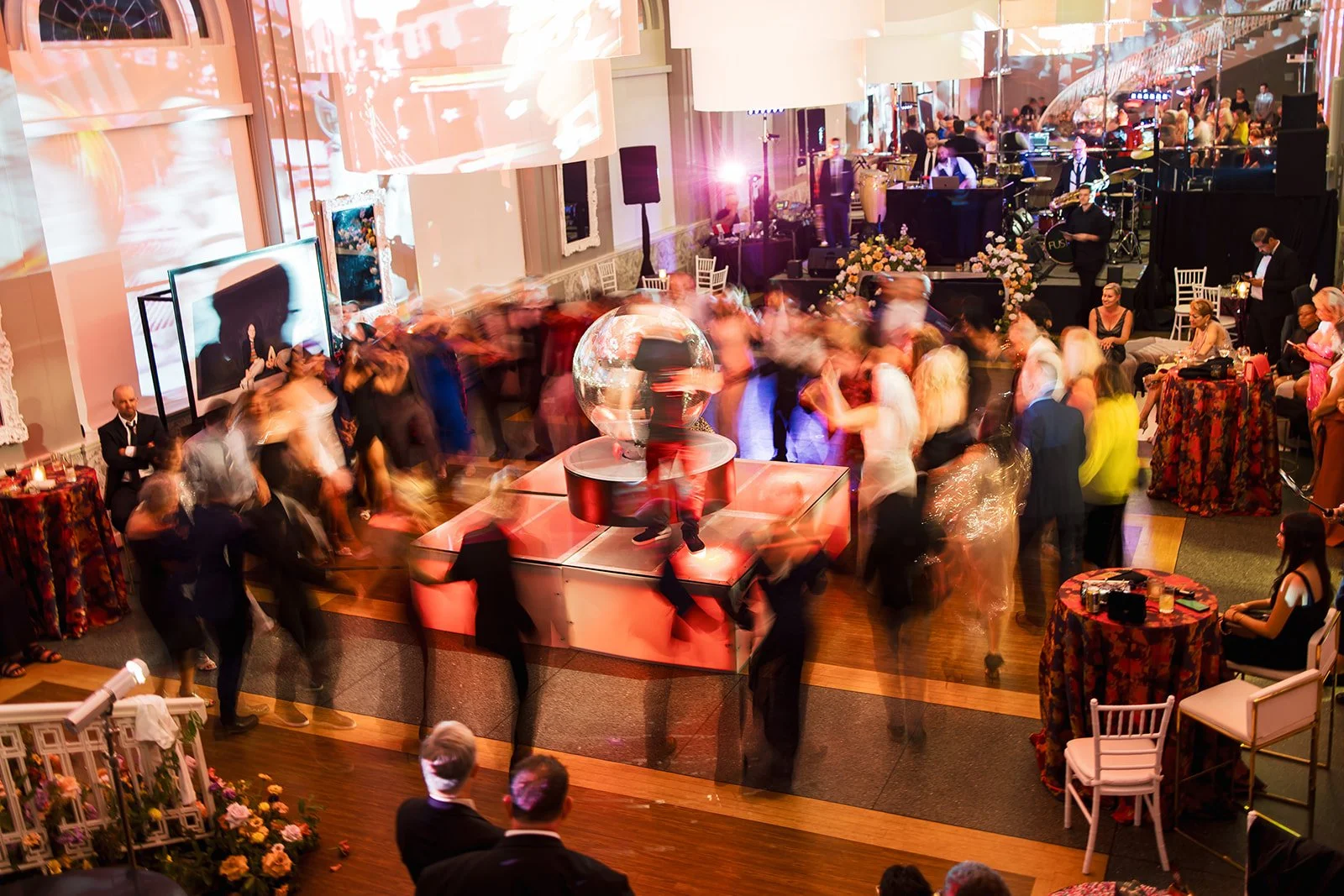

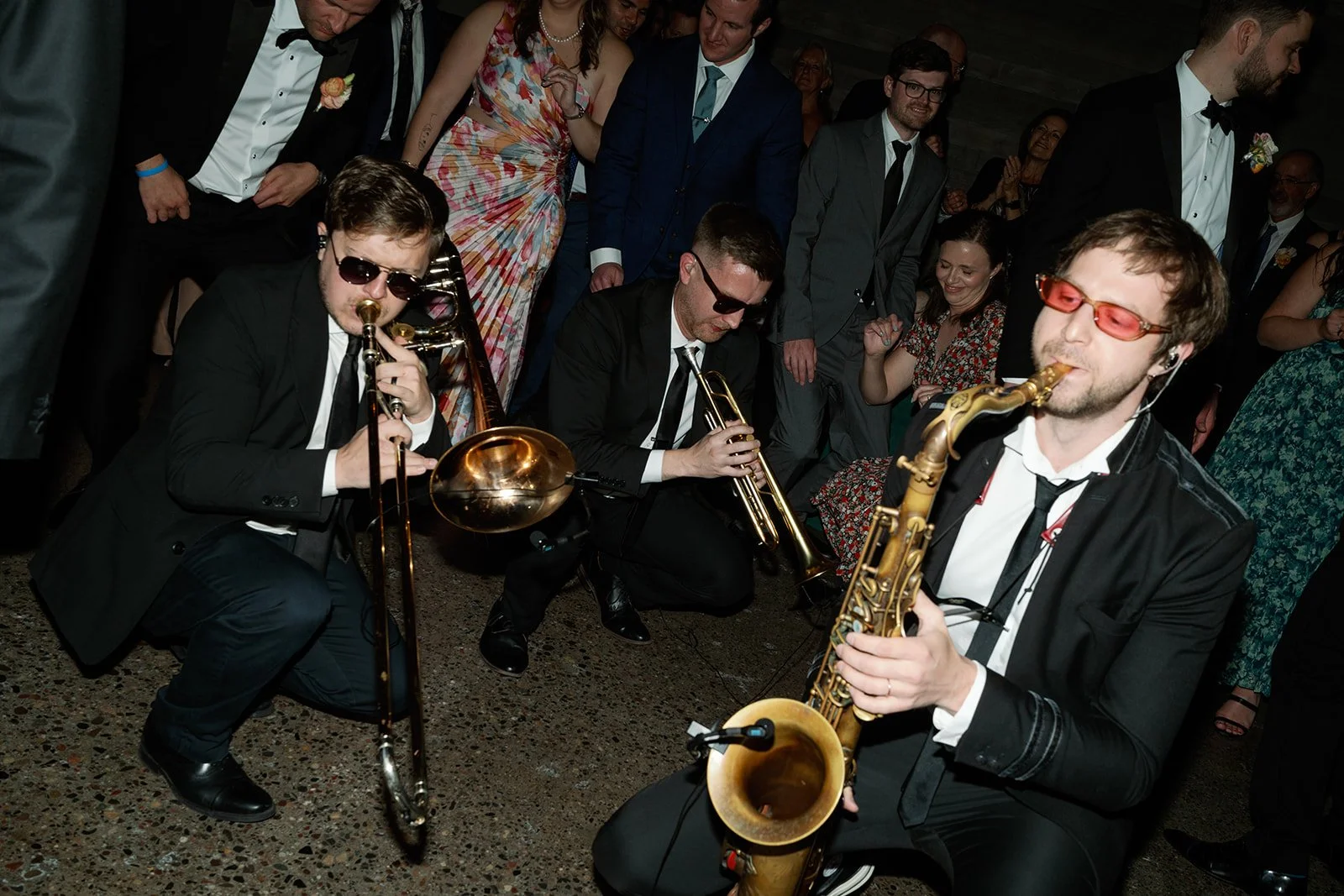
photo credits: Cadence & Eli, Russell Heeter, Amanda Nippoldt
phase 3: DESIGN & LOGISTICS
wedding design & vision
Your wedding design should be established early in the planning process — ideally at least 9 months before the wedding. Popular rental items, décor pieces, and design-forward vendors often book quickly, so locking in your vision early helps ensure availability and a smoother planning experience.
This phase focuses on consolidating inspiration into a cohesive design direction. Rather than collecting endless ideas, the goal is to define your color palette, overall aesthetic, and wedding style, then translate that vision into a clear design plan that guides all visual decisions, from florals and rentals to stationery and lighting.
Design should always be completed before save-the-dates are sent. Since save-the-dates typically go out around the 8-month mark, finalizing your design first ensures your stationery reflects the look and feel of your wedding from the very beginning. Our Wedding Planning 101: Vision Development guide can help you curate your wedding design!
bringing the design to life
This phase is where your vision truly comes to life. With the overall design established, the focus shifts to execution: translating concepts into tangible rentals that shape how your wedding looks and feels. Insider tip: mixing design moments throughout the space is key. Pairing statement elements with more understated details not only creates visual interest, but also helps balance your budget by allocating investment where it will have the biggest impact. Thoughtful layering and strategic design choices ensure your wedding feels cohesive, intentional, and beautifully curated from start to finish.
décor & rentals
Key elements include:
Floorplans: Always the first step. Floorplans allow you and your vendor team to visualize the space, determine rental needs, and confirm table sizes, layouts, and linen dimensions.
Tablescapes & Rentals: This includes linens, chargers, flatware, glassware, chairs, tables, staging, draping, and backdrops — all of which work together to create a cohesive design.
Florals: Floral design adds texture, color, and movement, tying your overall aesthetic together.
Lighting: Lighting is an often-overlooked detail that makes a major impact. Insider tip: lighting your installations and centerpieces elevates the entire space, enhances photos, and ensures your floral investment doesn’t disappear when the lights dim for dancing.
Cake & Display: Cake is décor. Whether it’s a traditional cake or a modern alternative, it should be designed intentionally and styled as a focal point.
Load-In & Strike: Coordinating delivery times, setup, and breakdown is a critical part of execution — and not something venues typically handle. This is where a professional planning team ensures everything runs smoothly.
Still a little confused on the details? Don’t worry. We cover these subjects in depth in Wedding Planning 101: Décor & Branding. Simply check it out to clear up any confusion!
printed materials
Printed materials play an important role in setting the tone for your wedding and guiding guests through the experience. From the first impression to day-of details, thoughtful paper design helps create a cohesive and elevated look.
Key elements include:
Design your printed material based on wedding décor: Pro tip: what you want for your invitation suite should lead the design direction. Fonts, colors, and overall style should be established here so everything else (including save-the-dates) feels cohesive.
Save-the-dates: These are your first priority. Typically sent 8–12 months before the wedding, these should reflect your overall design aesthetic and provide guests with an early heads-up.
Invitations: Mail these 10–12 weeks before the wedding, with RSVP deadlines set 5–6 weeks out. Florists often want final counts four weeks out and you will need a couple weeks to follow up with non-responders and assign guests to tables.
Day-of paper goods: Once invitations are mailed, begin designing ceremony programs, menus, escort cards, and signage to ensure consistency across all materials.
Seating charts: Finalized after responses are collected, these should be both functional and visually aligned with your overall design.
Signage: Welcome signs, bar menus, and directional signage help guide guests while reinforcing your wedding aesthetic.
Thoughtful planning of printed materials ensures a seamless guest experience and ties your entire wedding design together from start to finish.
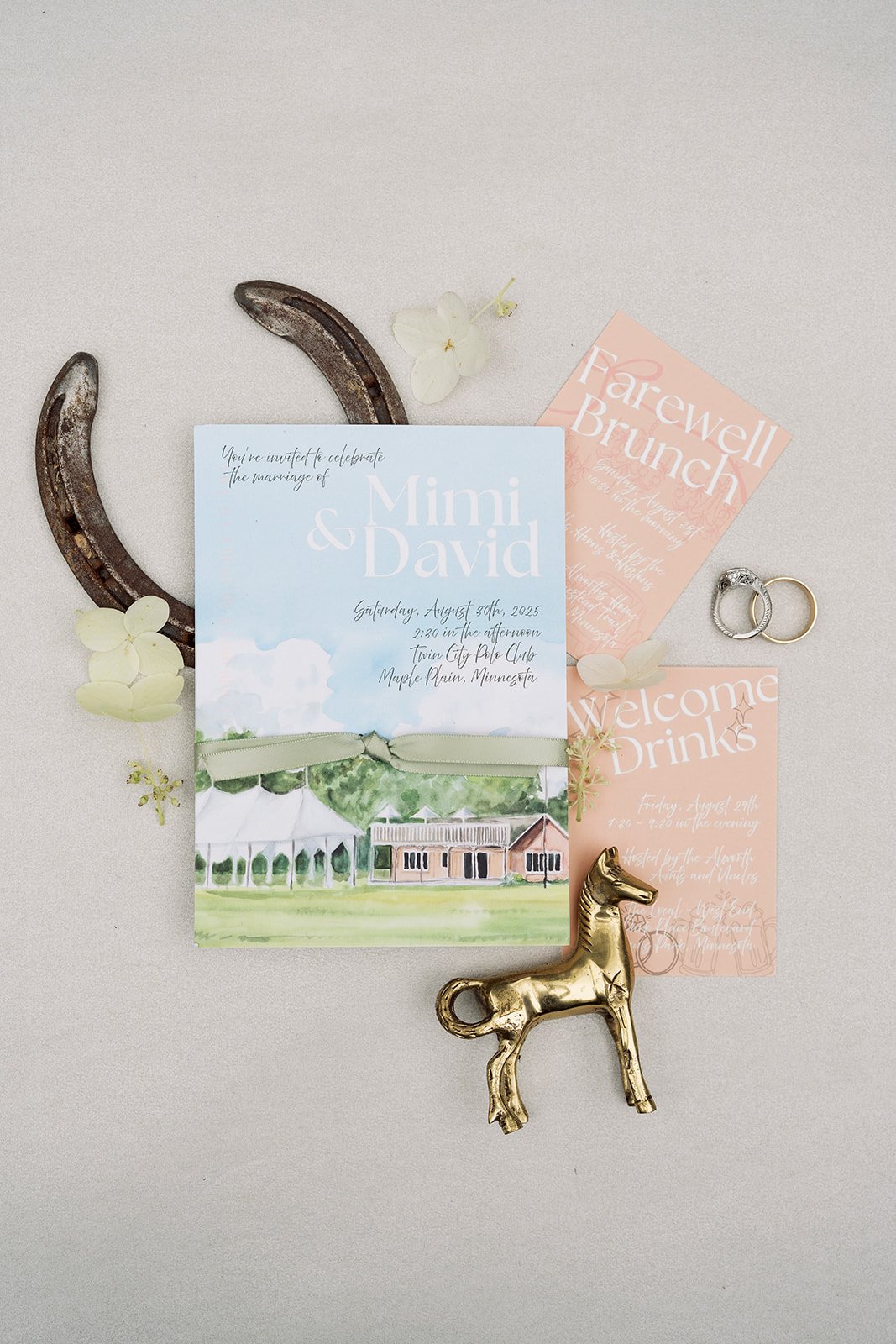
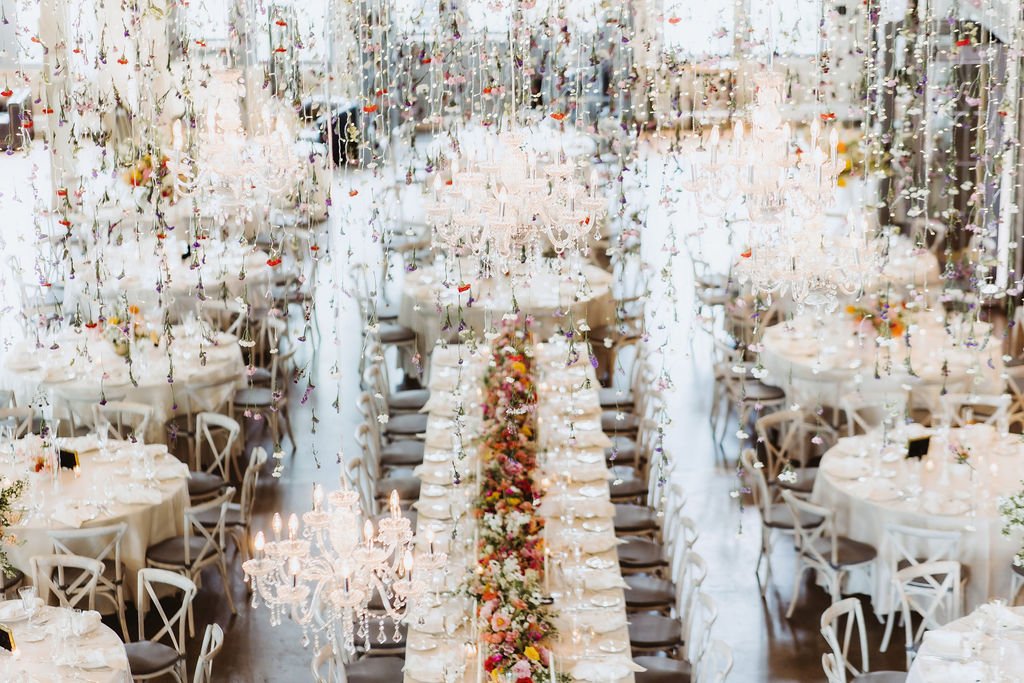
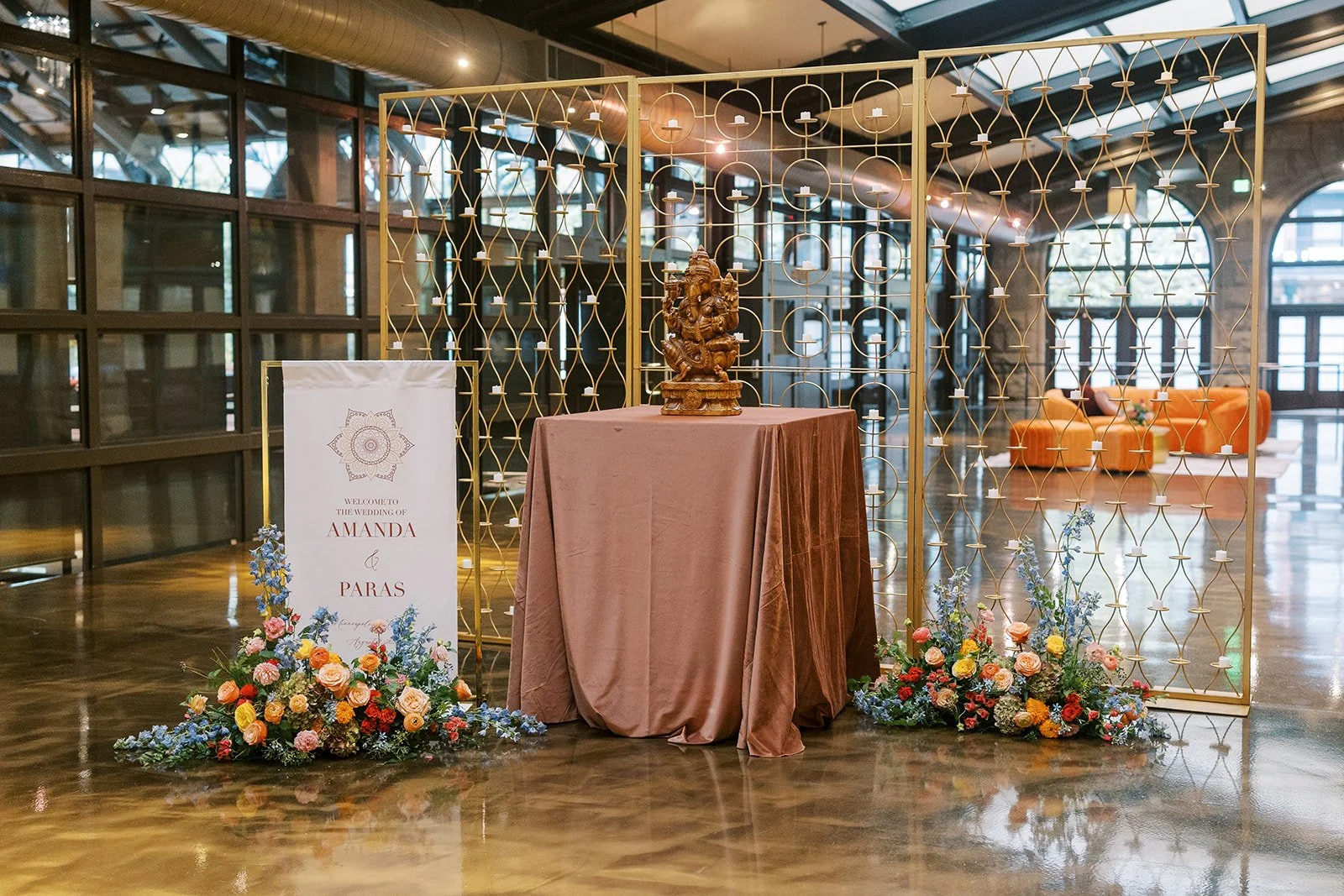
photo credits: Amanda Nippoldt, Matt Lien, Marit Williams
PHASE 4: FINAL PLANNING & ADDITIONS
final planning
There are too many to-do items to mention in one blog, but this is basically the time to plan everything else not already addressed, including:
Attire & accessories: Scheduling fittings and finalizing shoes, jewelry, and accessories for you and your wedding party to ensure everything feels cohesive, comfortable, and photo-ready.
Ceremony planning: Confirming the ceremony structure and officiant remarks, meaningful moments, and overall flow, including readings, processional order, and transitions.
Music selection: Choosing ceremony music, special dance songs, and providing direction to your DJ or band so the energy builds naturally throughout the day.
Rings: Ordering wedding bands and getting them sized and insured.
Photo list for photographer: Families can get complicated and parents are opinionated, so collaborate to ensure that there is one photo list for the photographer to work from to ensure there is no confusion or missed photos on your wedding day!
adding additional touches of detail
This phase focuses on the detailing touches: the thoughtful choices that elevate your wedding day and make the experience feel personal and intentional. Once the core planning elements are in place, this is where you can decide how to enhance the celebration based on your priorities, vision, and remaining budget.
Common additions include:
Additional entertainment: Enhancements such as photo booths, live painters, or interactive experiences that add personality and guest engagement.
Transportation: Arranging shuttles or specialty transportation for the wedding party and guests, ensuring smooth transitions between locations.
Experience upgrades: Optional touches like coffee carts, late-night snacks, or elevated cocktail-hour music that create memorable moments and enhance the guest experience.
These final details are not required, but when chosen thoughtfully, they bring polish, personality, and a sense of completion to your wedding day.

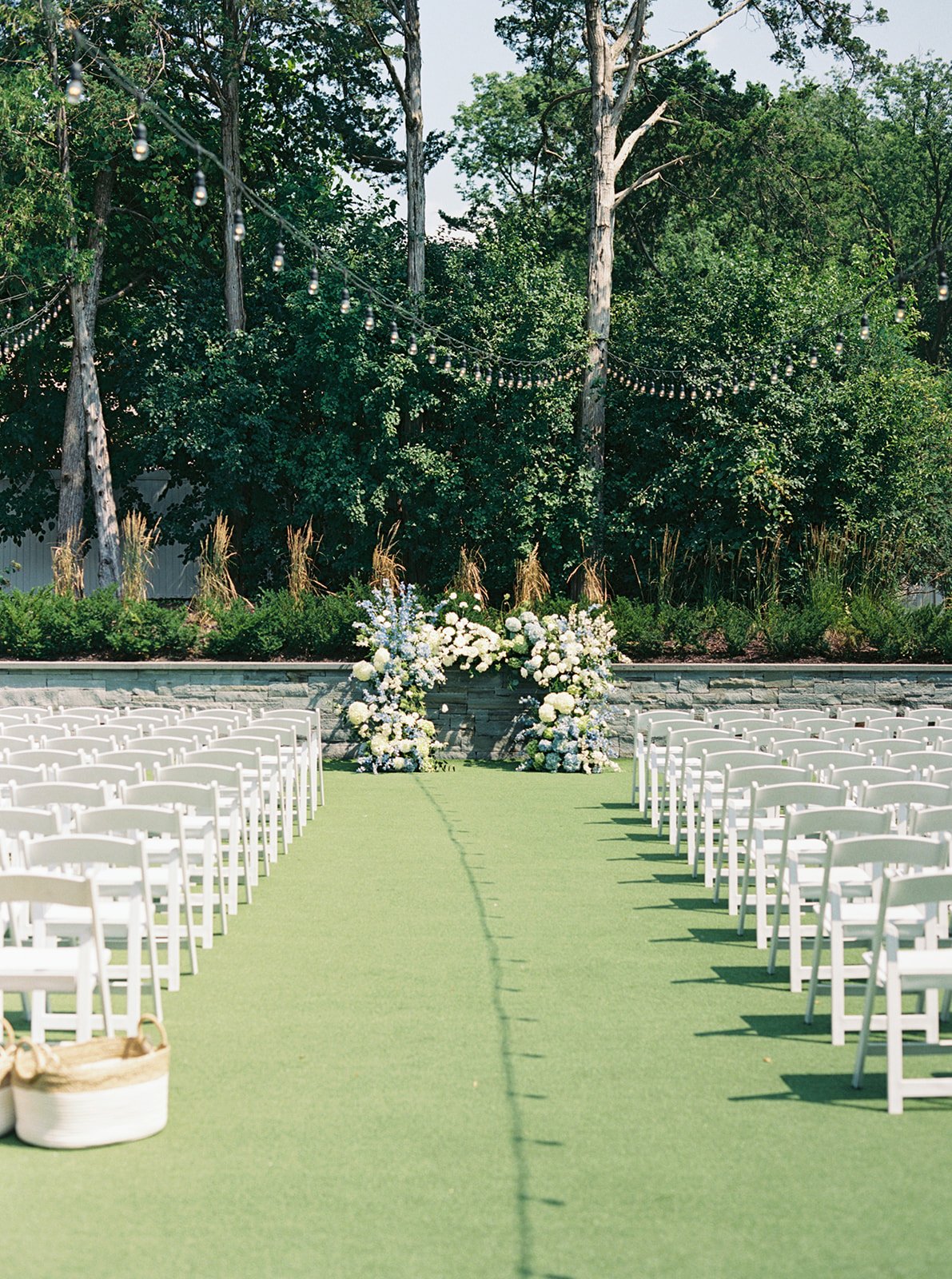
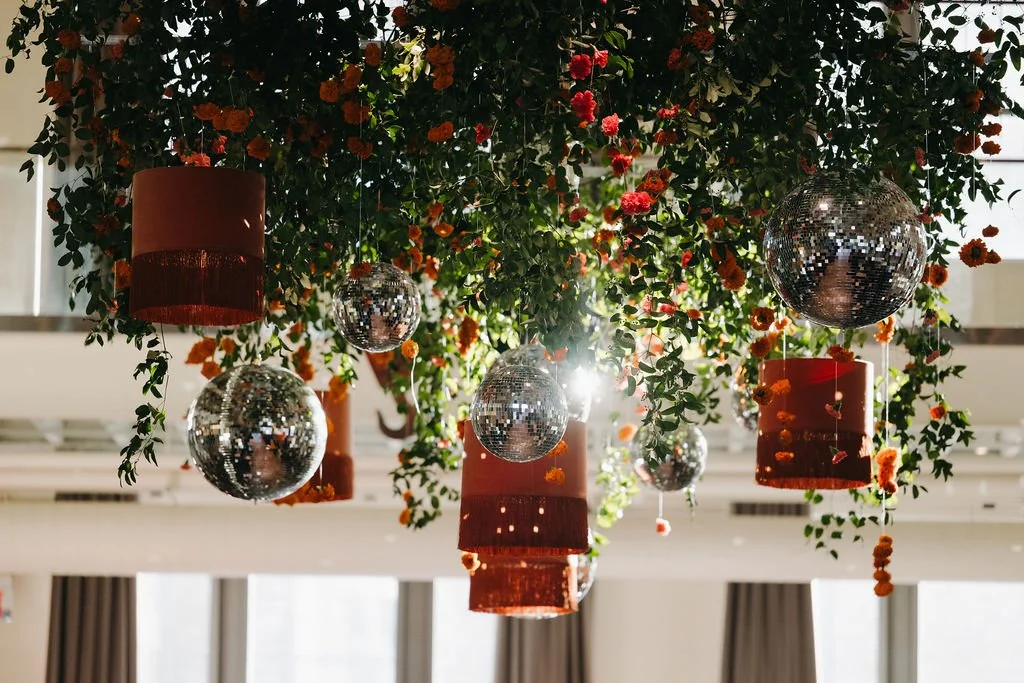
photo credits: Russell Heeter, Lindsey Taylor, Russell Heeter
PHASE 5: FINAL DETAILS & EXECUTION
final month is confirmation mode
As you enter the final month of wedding planning, the focus shifts from decision-making to execution. At this stage, your wedding planning timeline should be fully built, allowing you to concentrate on confirming details and preparing for a seamless wedding day rather than making new choices.
Key priorities during this phase include:
Confirming the master wedding timeline: This is one of the most important planning tools. A well-built timeline coordinates vendors, deliveries, and key moments throughout the day — ensuring everyone is aligned and the event flows smoothly.
Finalizing guest count and seating charts: Once responses are complete, seating arrangements and final headcounts are confirmed and shared with your vendor team for accurate planning and staffing.
Locking in the final floorplan: Ceremony and reception layouts are finalized to ensure the floorplan accommodates the final guest count, and allows for proper spacing, flow, and placement of décor, rentals, and entertainment.
Vendor confirmations: Final timelines, floorplans, and event details are distributed so every vendor is working from the same information. This step is essential for smooth wedding day logistics.
Reviewing final invoices and event orders: All contracts, quantities, and services should be carefully reviewed to confirm accuracy before final payments are made.
Submitting final payments: Completing outstanding balances allows you to move into wedding week feeling organized and stress-free.
At this point, the planning is complete. As we often tell our couples:
“We are done! Enjoy this final stretch before your wedding day and soak it all in!”

photo credits: Russell Heeter, Marit Williams, Picture Persico
you don’t have to plan alone
If wedding planning feels overwhelming, professional support can make all the difference. Wedding planners offer a variety of services and help guide timelines, secure trusted vendors, manage budgets, and create a seamless experience, no matter how long your engagement is. Across every step of the way, expert guidance allows you to enjoy the process and feel confident.
As Minnesota wedding planners and designers, we provide award-winning, high-end services tailored to discerning couples across the region. With a focus on meticulous design, seamless execution, and personalized experiences, we bring each couple’s unique vision to life while managing every detail with professionalism and care. Our expert teamwork combines creativity and precision to ensure a flawless celebration, reflecting sophistication and elegance at every step.
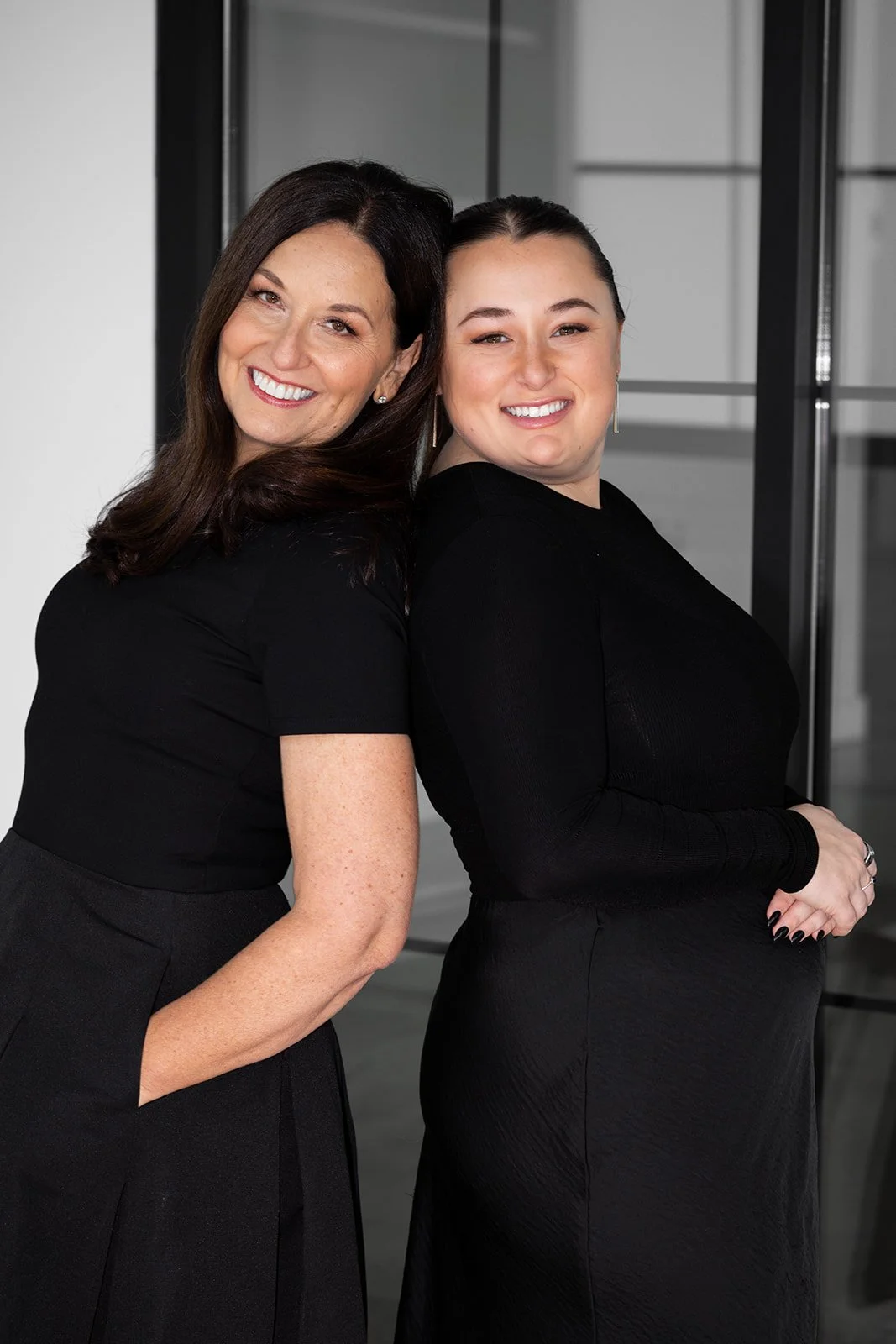
mother-daughter
dream team
Hey there! We’re Rachelle and Anna—mother and daughter…by law, but we like to think of it as family by design. Rachelle’s been in the wedding and events world for over two decades, and for half of that time, she’s had Anna by her side. Our love for details and logistics pairs perfectly with our skill for style and design, making us the ultimate left-brain/right-brain dream team. That’s why we’re called Style-Architects Weddings! We’re obsessed with what we do, and with over 20 awards under our belt, we’re confident we can turn your dream day into a reality.
Rachelle, owner of Style-Architects Weddings, brings a distinctive blend of business expertise and creative vision to every celebration. With an MBA and a background in corporate event planning, she excels at organization, budgeting, and project management while pairing those skills with a refined design sensibility. Her passion lies in creating weddings that feel effortless, meaningful, and beautifully curated; events that reflect each couple’s unique story. Under her leadership, Style-Architects Weddings has been recognized with awards from the International Association of Live Events, The Knot, and Minnesota Bride, and is regularly featured in leading industry publications.
Anna is a seasoned wedding planner with deep experience in event design and logistics, known for her calm approach and meticulous attention to detail. Since 2013, she has been dedicated to crafting personalized celebrations that are both thoughtfully designed and flawlessly executed. Anna’s focus is on ensuring couples feel supported throughout the process, allowing them to enjoy a stress-free planning experience and a wedding day that feels as effortless as it is beautiful. Her work with Style-Architects Weddings has earned industry recognition and consistent features in publications such as Minnesota Bride, a testament to her commitment to excellence.