
What Makes a Truly Great Wedding?
WHAT MAKES A TRULY GREAT WEDDING?
a planner’s guide to creating weddings that leave a lasting impression
by Style-Architects Weddings, a luxury wedding planning and design studio based in Minneapolis, Minnesota.
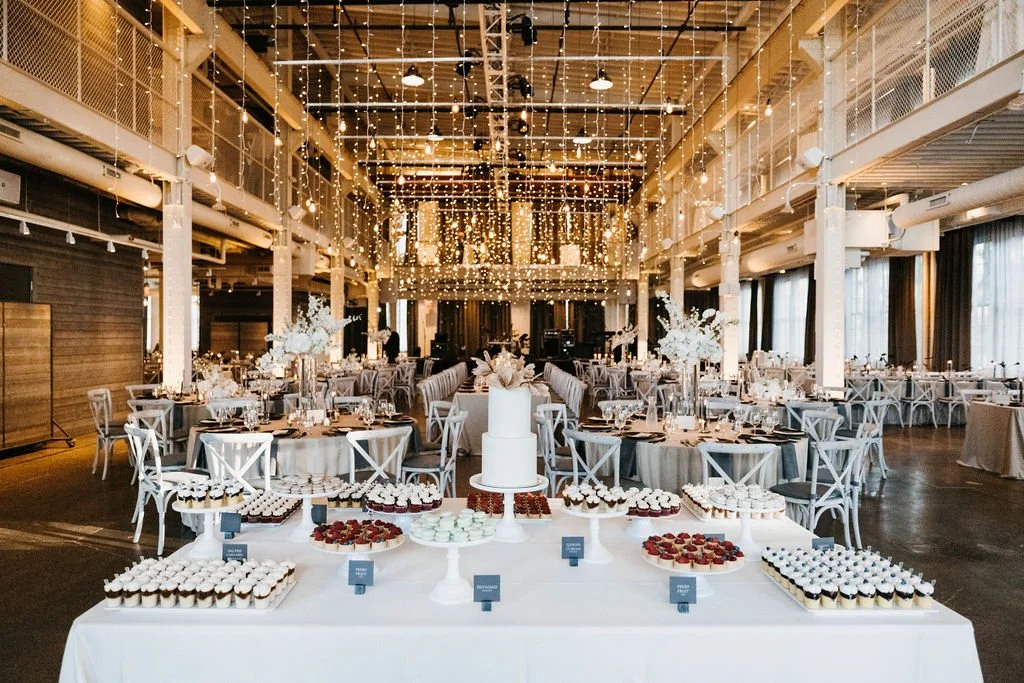
If you’ve started planning your wedding, you’ve likely spent time thinking about the big visual elements: your venue, your flowers, your overall design direction, and how everything will come together aesthetically. And while those pieces absolutely matter, they are rarely the reason a wedding is remembered as truly exceptional.
As wedding planners with decades of experience in this industry, we believe luxury is not just about how a wedding looks, it’s about how it feels. The most unforgettable celebrations are thoughtfully designed from every angle, creating an experience that feels effortless for both the couple and their guests. Beautiful design sets the tone, but seamless execution, intentional pacing, and elevated hospitality are what transform a wedding from visually stunning to genuinely memorable.
The weddings that guests talk about long after the event has ended tend to have something else in common: a guest experience that feels intuitive, engaging, and perfectly considered from beginning to end. Rave-worthy weddings flow naturally, keeping guests comfortable, connected, and fully immersed in the celebration without ever noticing the logistics behind it. That experience is never accidental; it is the result of intentional planning around wedding timeline, guest experience, and the overall rhythm of the day.
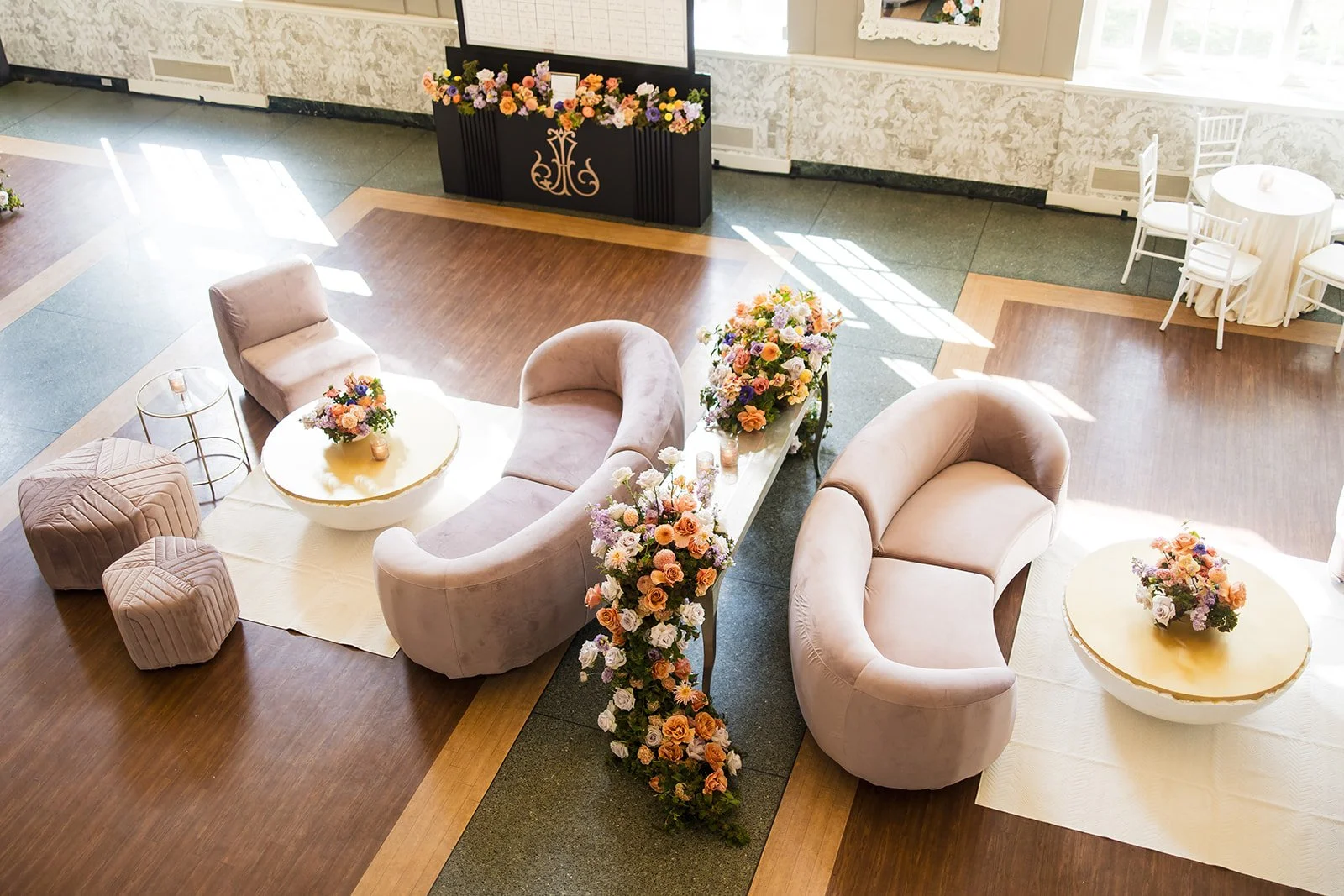
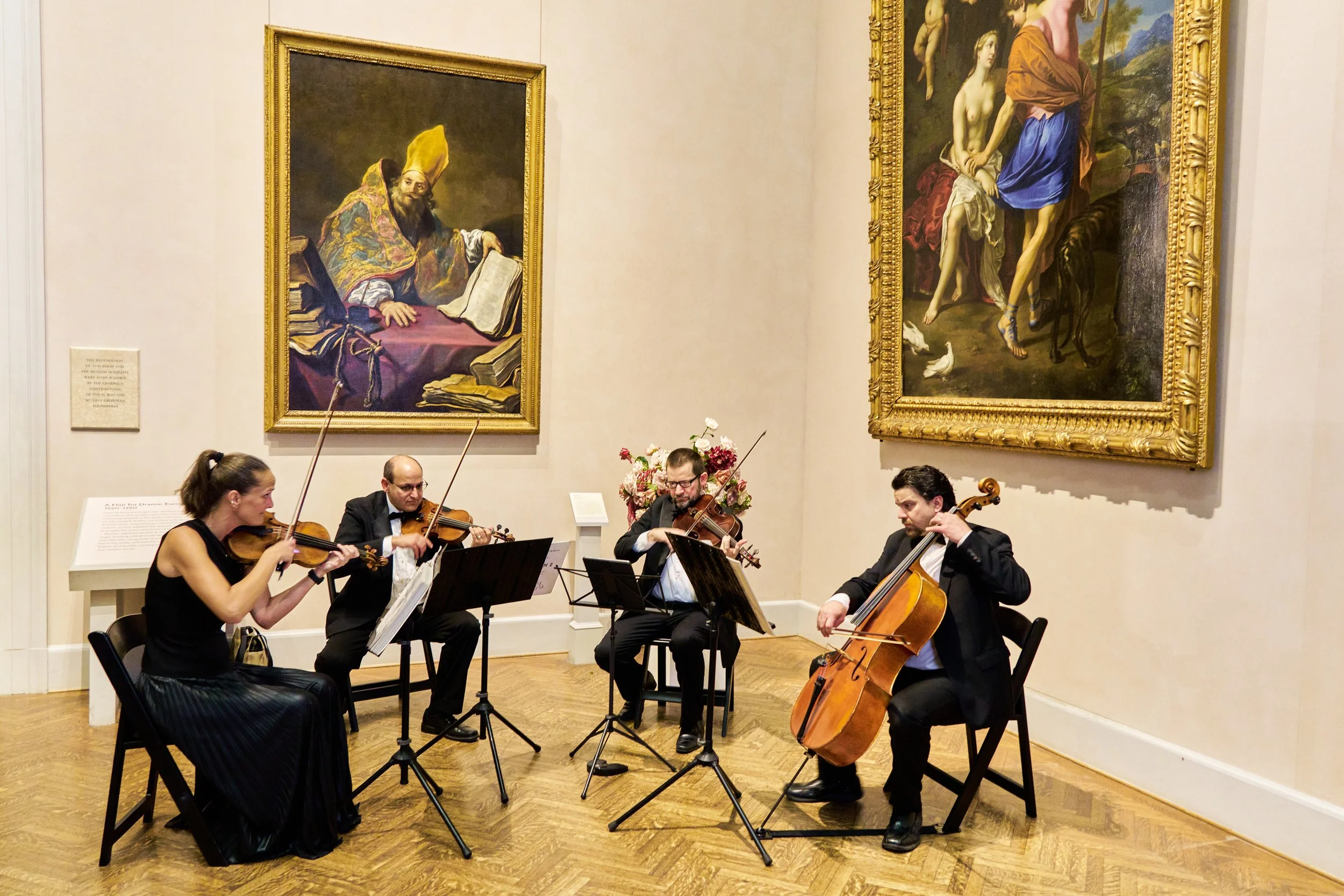
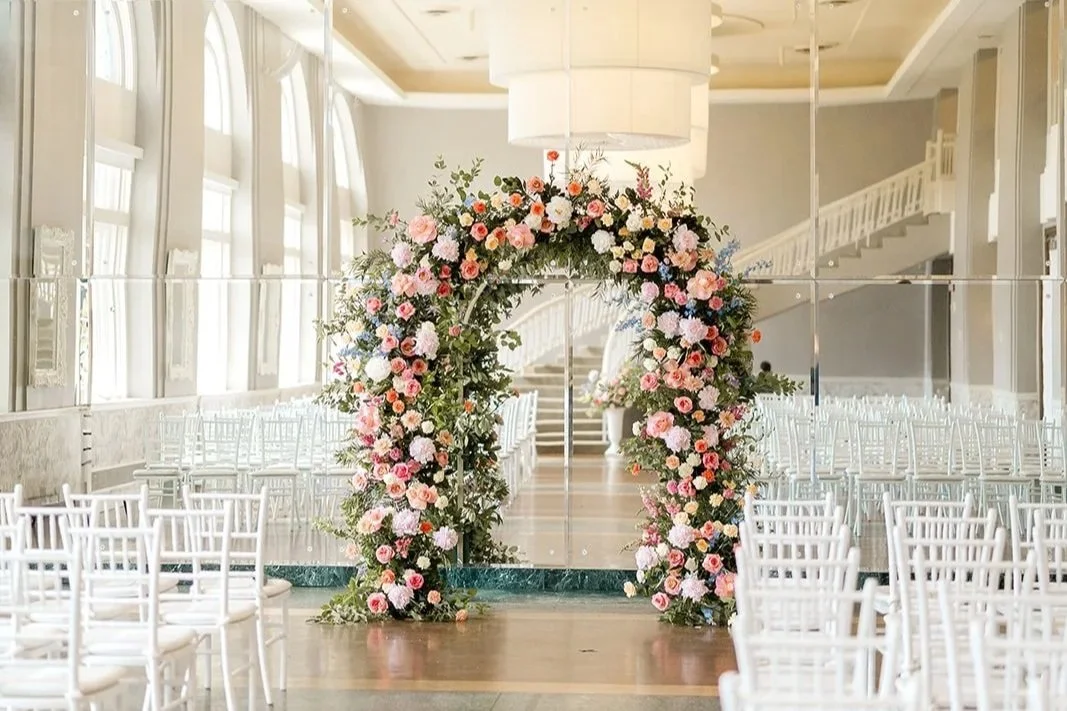
photo credits: Cadence & Eli, Robert Evans, Alexandra Robyn
drive each decision with guest experience in mind
It is very easy to prioritize how a wedding looks, especially in the early stages of planning when inspiration is largely visual. However, design isn’t just about pretty things; it’s also about designing the layout, space, and vendor details. One of the most important shifts you can make is to begin thinking about your wedding as not just a celebration to design, but as a celebration to host. From the moment guests arrive, they are interacting with the environment, the layout, and the flow of the event. These interactions ultimately shape how they experience the day!
Guest experience is often defined by small, cumulative details rather than large, obvious gestures, and requires intentional planning. Consider how guests move through the space: do they have clear direction at each stage of the event, and are they able to easily and quickly access food, drinks, and seating throughout the evening? These are the types of considerations that may seem minor on their own, but collectively determine whether a wedding feels seamless and perfectly planned or disjointed and dragging.
Some of the most impactful guest experience improvements tend to be surprisingly simple:
Wait times: Reduce wait times for drinks or food during peak moments. Avoid long wait times by arranging butler-passed cocktails and bites during transitions (or even onto the dance floor late at night).
Food: Keep food and beverages accessible throughout the event. Thoughtful pacing ensures guests always have access to food when needed and ensures guests never feel hungry waiting for the next service moment.
Sound: Arrange for sound and music clarity throughout the space. For example, multiple speaker placements will avoid uneven audio and ensure speeches and announcements are clearly heard. Additionally, make sure that your mic is properly placed during the ceremony so guests can hear your vows, not just your officiant!
Entertainment: An excellent band or DJ impacts your reception in the best possible way, so don’t cheap out. Additionally, plan beyond a simple dance; live elements or interactive moments will help keep the energy up during natural lulls.
Transportation: Clearly communicate transportation and parking information in advance and upon arrival to reduce confusion for your guests.
Bar: Opt for a fully stocked, hosted bar (if your budget allows!) This can be a huge energy booster for your guests. Not sure about your bar options? Learn more about consumption and bar package options.
Communication: Maintain clear communication throughout the event. Arrange for clear signage, announcements, and flow so guests always know what’s next.
When guests feel comfortable and taken care of, they are far more likely to relax, stay present, and engage with the celebration, which in turn creates the kind of energy that defines a truly great wedding.
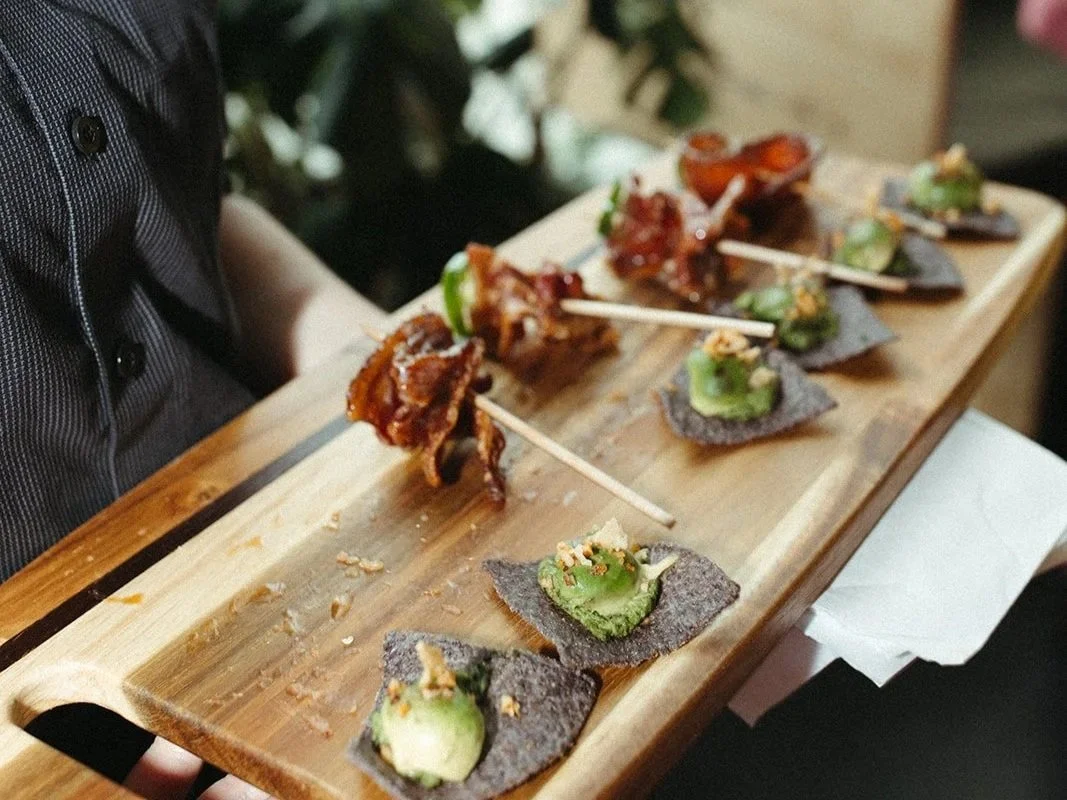
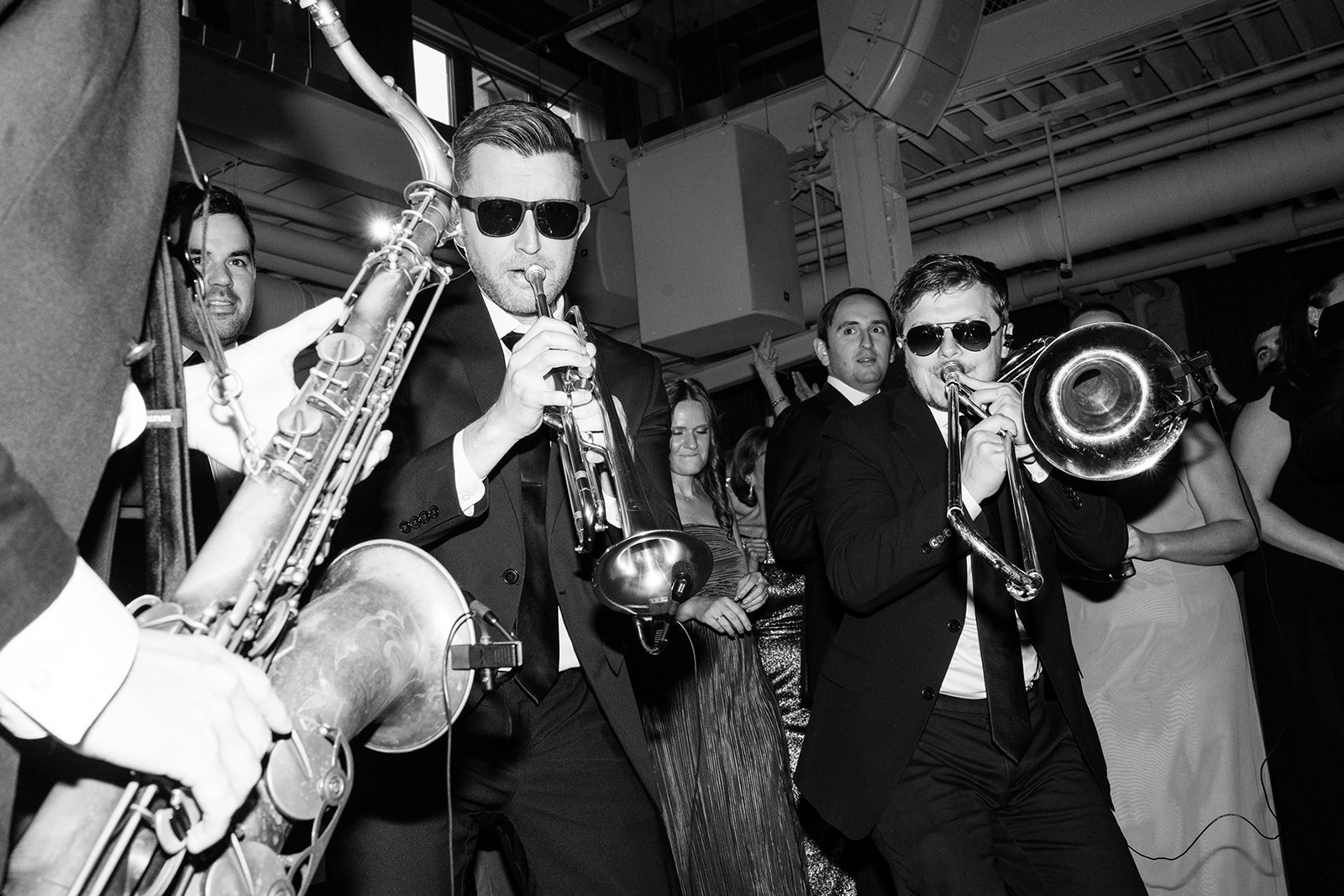
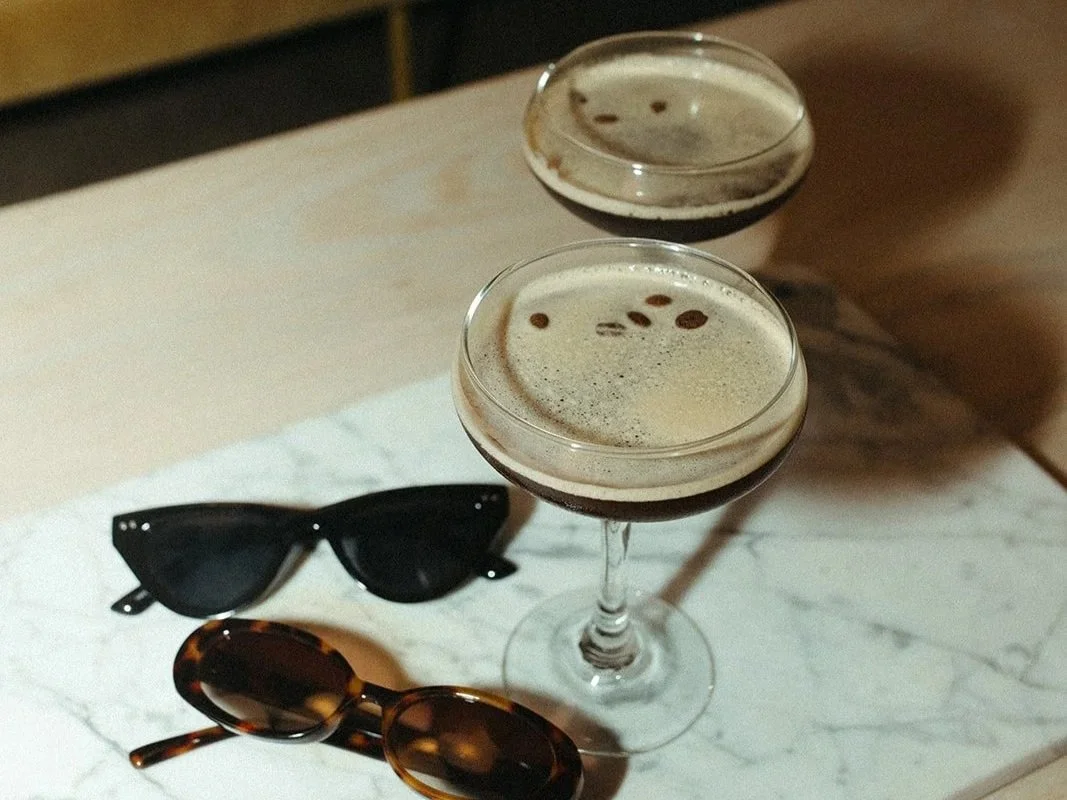
photo credits: Sarah Ascanio, Amanda Nippoldt, Sarah Ascanio
design your space with intention
Great wedding design is about how the space works for your guests, not just about the visual elements. The most successful designs consider the full experience and requires moving beyond the question of what you like and instead focusing on what you want the experience to feel like; both for yourselves and for your guests. Having this clarity allows every decision to be made with intention.
From there, design becomes a tool to support flow and guest experience in very tangible ways:
Ensuring a natural flow between spaces so guests intuitively know where to go next without confusion.
Designing for strong sightlines, so key moments like the ceremony, speeches, and dance floor are easily visible and feel inclusive.
Providing a variety of seating and mingling options, from dining chairs to lounges to cocktail-style areas, allowing guests to engage in different ways throughout the night.
Using lighting transitions to subtly guide energy: soft and ambient for dinner, more dynamic as the night progresses.
Minimizing unnecessary room changes or transitions, which can disrupt momentum and create confusion if not handled thoughtfully. Avoid placing tables on the dance floor that later need to be removed. It is not only disruptive to the room, but limits your ability to impliment an East Coast timeline. (See below.)
Once that foundation is established, design, timeline, and guest experience all begin to align more naturally, because they are working toward the same goal.
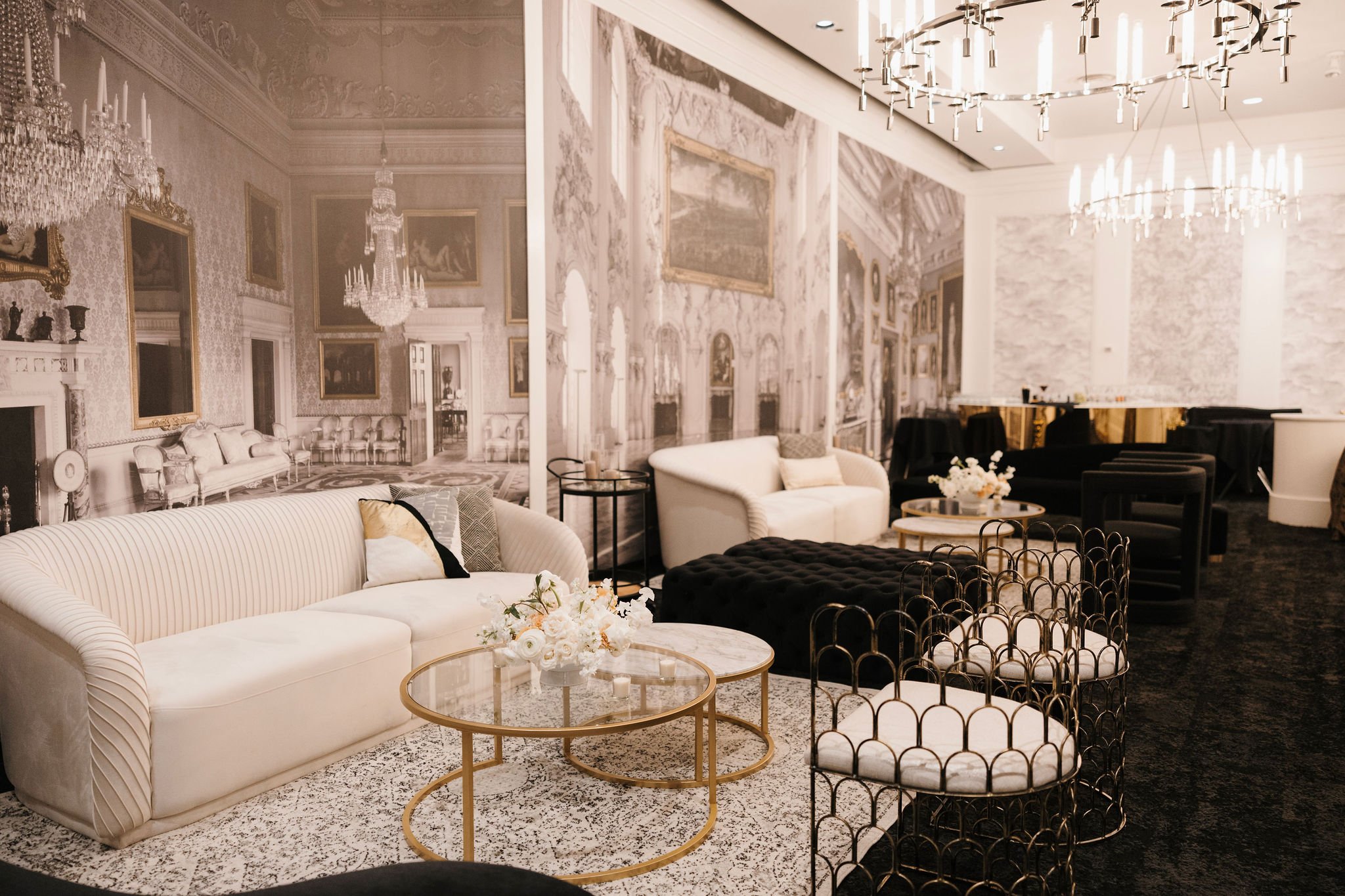
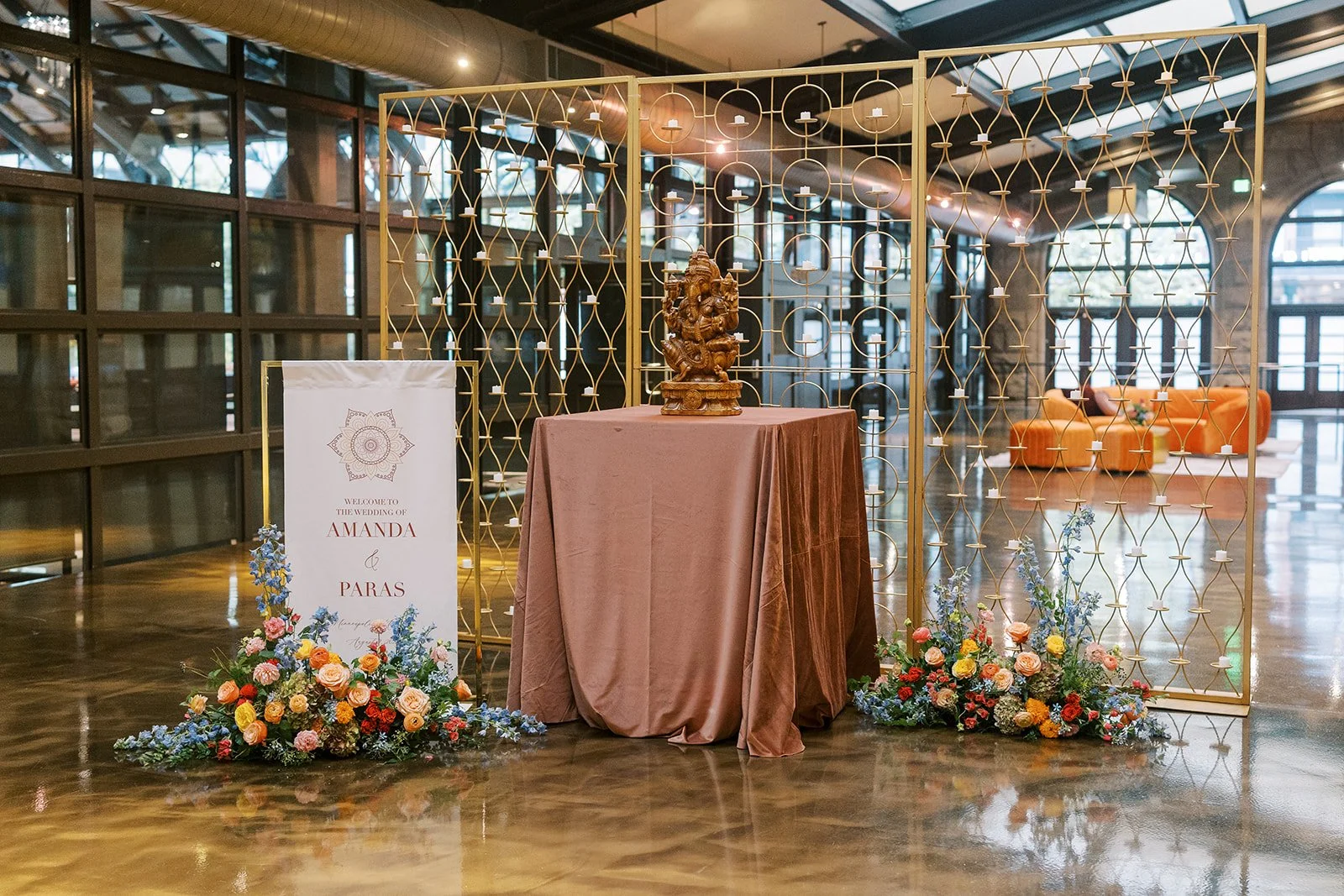
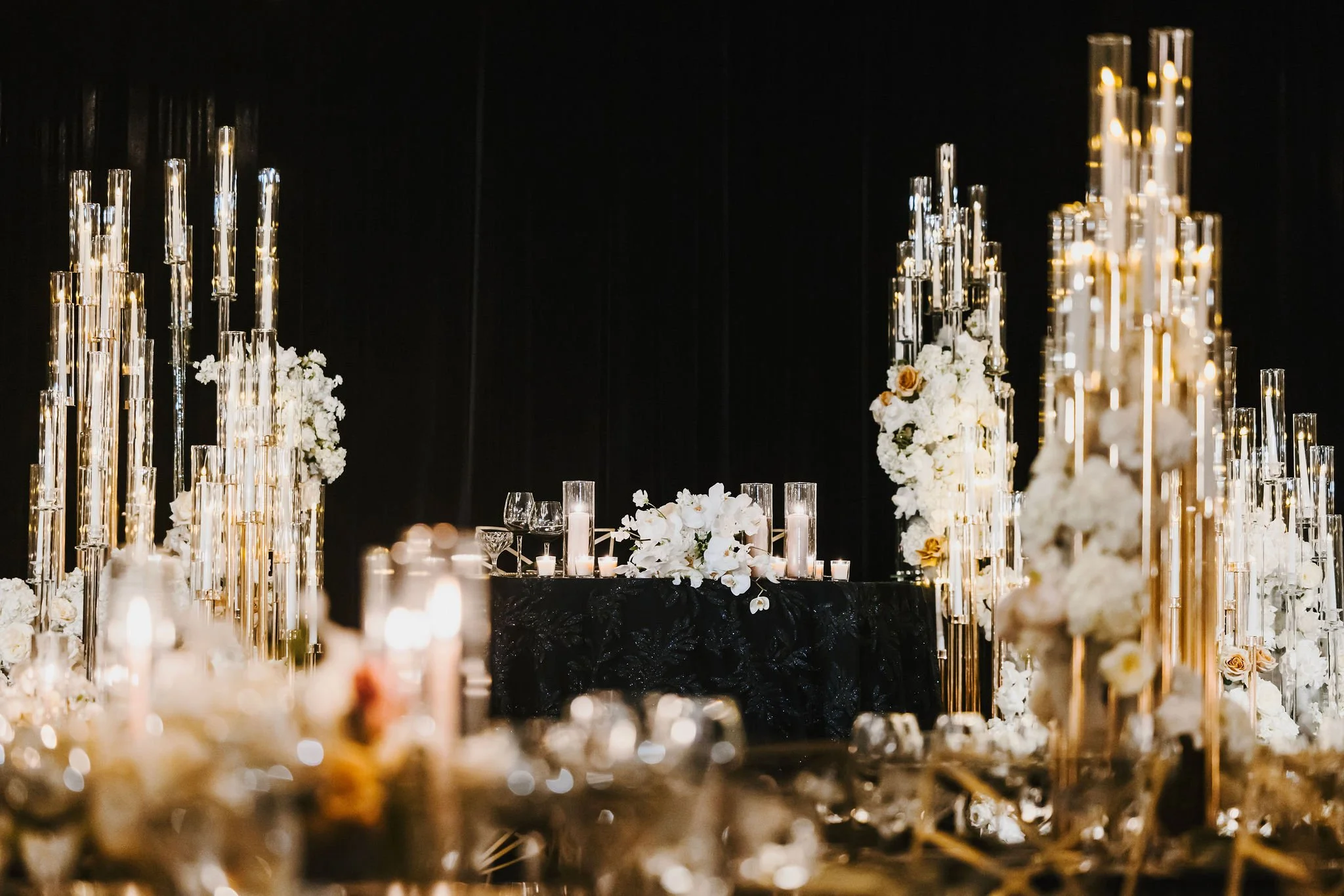
photo credits: Russell Heeter, Marit Williams, Russell Heeter
don’t be afraid to push away traditional formats
There is often an assumption that weddings must follow a standard structure, typically moving from ceremony to cocktail hour to dinner to toasts and speeches and then into dancing, with little variation. While this format is familiar, it is not the only way to structure a wedding, and in many cases, it is not the most effective approach for maintaining energy and engagement throughout the evening.
Our favorite (and most successful) weddings follow the East-Coast wedding timeline. This format makes adjustments to improve the overall flow, such as introducing dancing earlier in the evening, distributing speeches and special dances throughout the dinner service rather than grouping them together, and adjusting the length of cocktail hour based on the venue's specific logistics. These changes are not made for the sake of being unconventional, but rather to create a more engaging experience for guests. And trust us, guests love it!
Examples of how this can look:
Champagne before the ceremony, which creates a relaxed, celebratory arrival moment instead of a formal waiting period.
Cocktail hour before the ceremony, which works well on Friday nights so guests can unwind before transitioning into the ceremony.
Earlier introduction of dancing or music shifts, rather than saving all energy for the end of the night. A little dancing before dinner surely raises the energy in the room, and special dances peppered into dinner service give guests something to watch while waiting for the next course.
Dinner that includes movement and pacing variety instead of long static seating periods. Interactive food stations are a great way to break up a lengthy dinner service.
Speeches distributed throughout dinner instead of clustering them at the end, which often causes energy fatigue.
Time and time again, we’ve seen consistently better responses to weddings that feel dynamic rather than segmented.
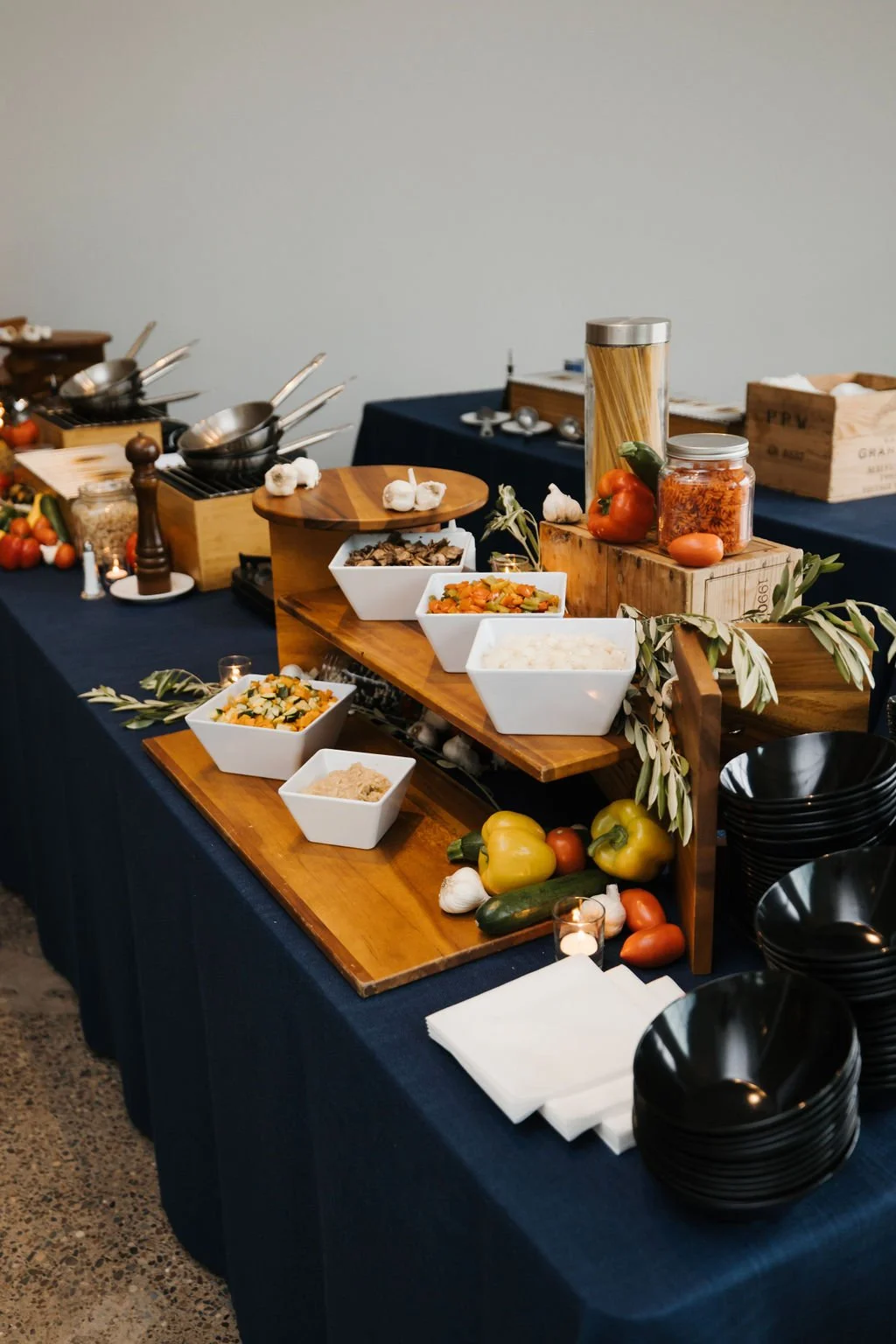
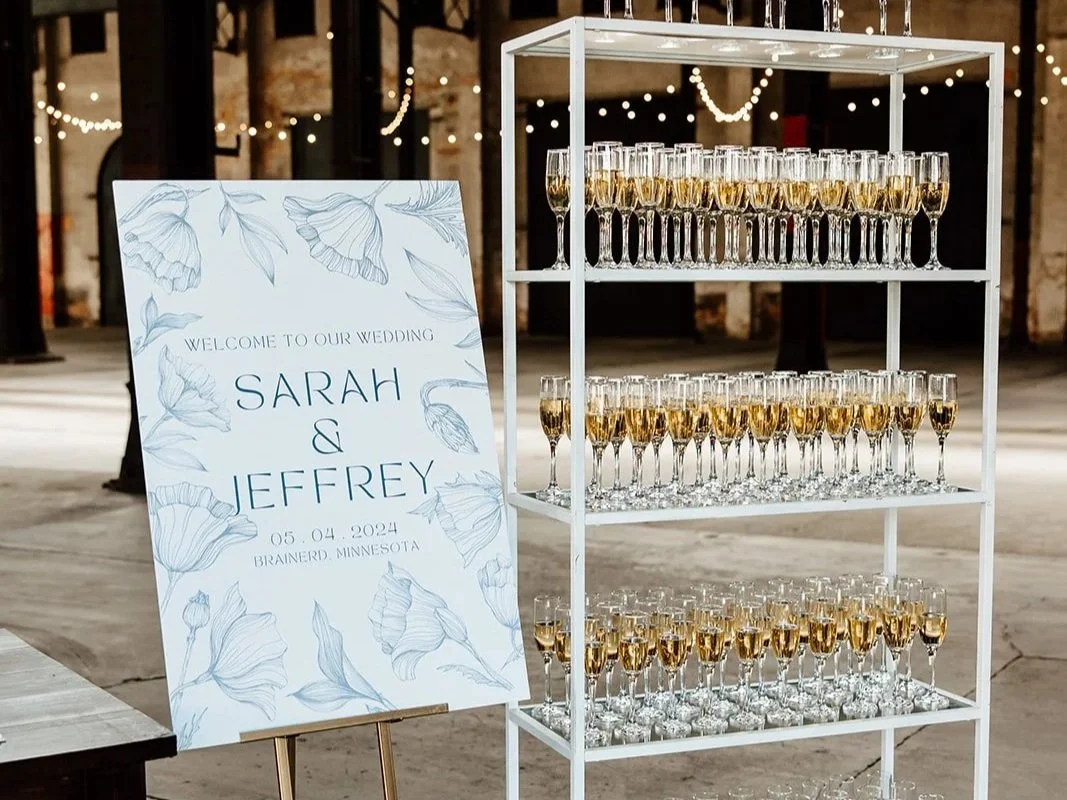
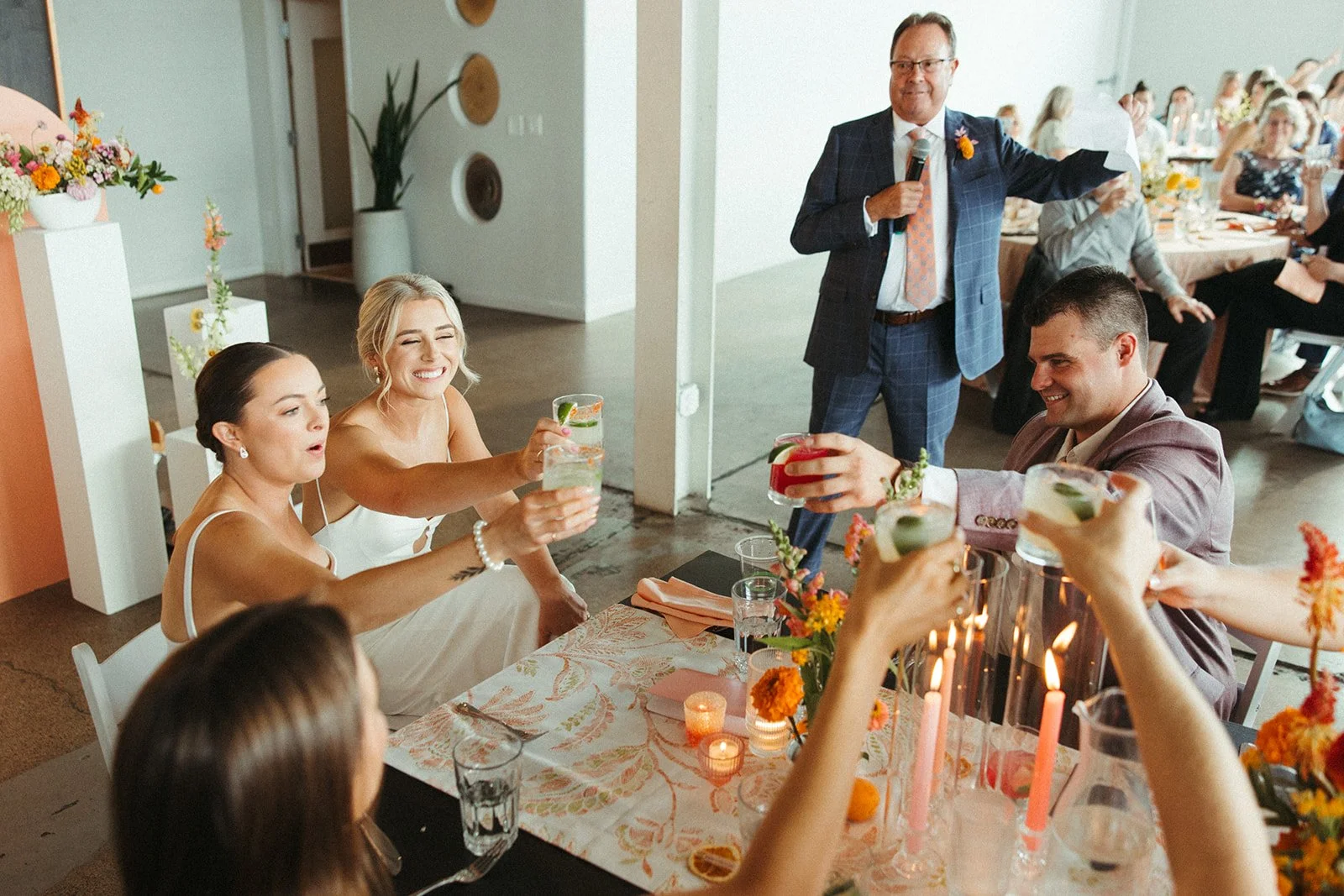
photo credit: Sarah Heath, Sarah Ascanio, Cadence & Eli
plan out the concise flow
One of the most common misconceptions we see is that the wedding day schedule is simply a logistical document, outlining when each part of the day will happen and ensuring that vendors are aligned. In reality, the schedule timeline is one of the most influential factors in how a wedding feels, as it directly affects the pacing, energy, and overall rhythm of the event from a guest’s perspective.
When a schedule timeline is not carefully structured, the effects are obvious and immediate, often manifesting as long gaps between events, extended waiting periods, or transitions that feel unclear or disjointed. Guests may not consciously identify the day-of timeline as the issue, but they will feel the lack of organization and momentum, especially when energy builds and then drops unexpectedly. This is often what causes weddings to feel as though they are dragging, even when everything else has been executed beautifully.
A well-designed wedding day schedule timeline, on the other hand, considers not just what is happening, but also how each moment connects to the next, ensuring that the evening progresses in a way that feels natural, engaging, and continuous. In practical terms, this often means being very intentional about:
The amount of time that exists between the ceremony, cocktail hour, and reception. Keep it as short as possible.
How dinner service is paced to avoid downtime between course. Make sure guests are assigned seats and have clear meal indicators to keep dinner service flowing smoothly. Plan speeches or special dances between courses so guests don’t get bored.
When and how the transition into dancing happens. Make it a moment to get everyone out there in a hurry!
Where potential lulls in energy might occur, and how to prevent them. Look at all transitional moments and plan with intention.
Rather than approaching the timeline as a checklist, it should be treated as a gradual build of energy, where each phase of the event supports the next. If you want a deeper look at how this works in practice, our Wedding Planning: Wedding Day Timeline blog breaks down exactly how we structure timelines to keep the energy high from start to finish.
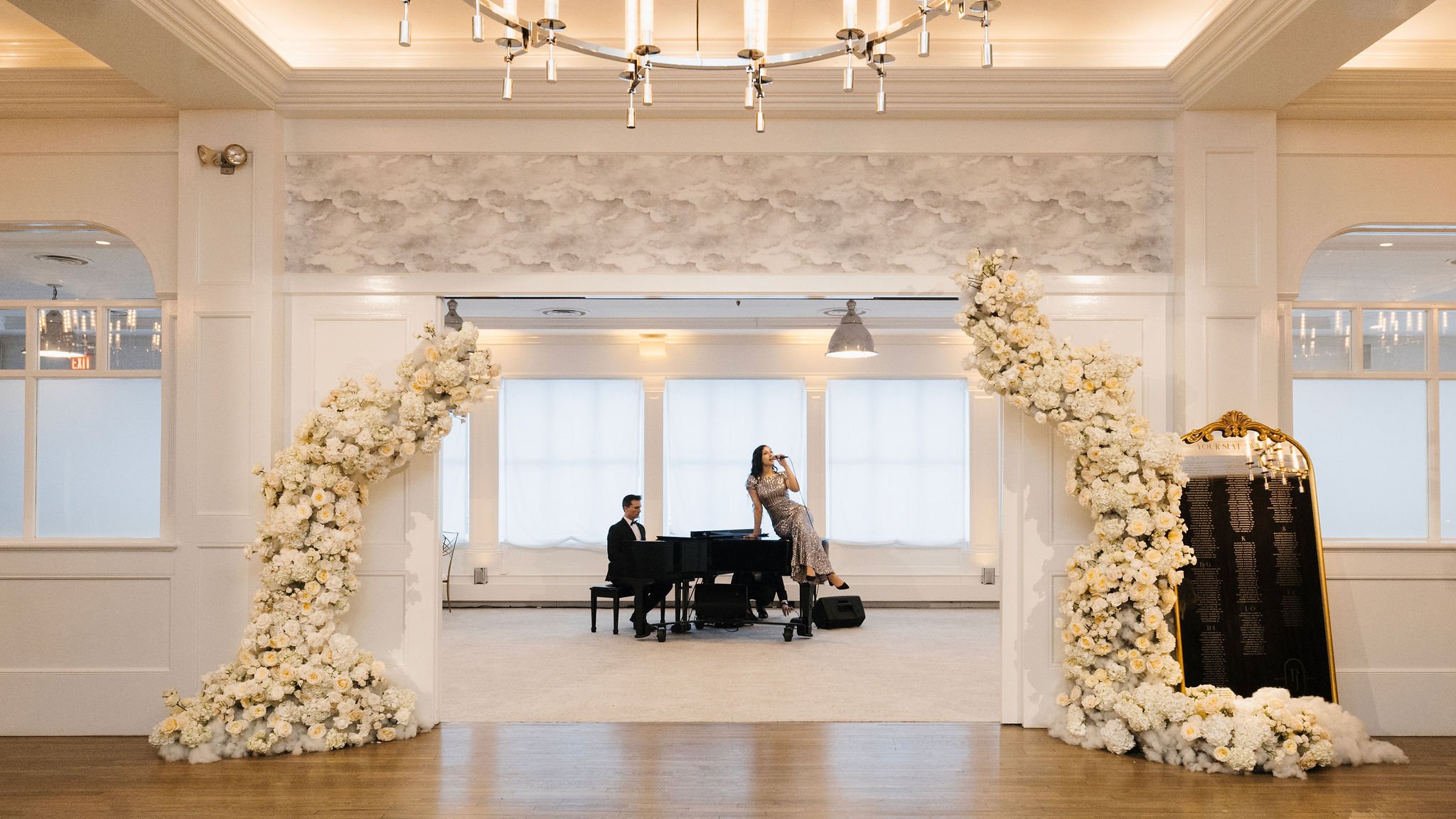
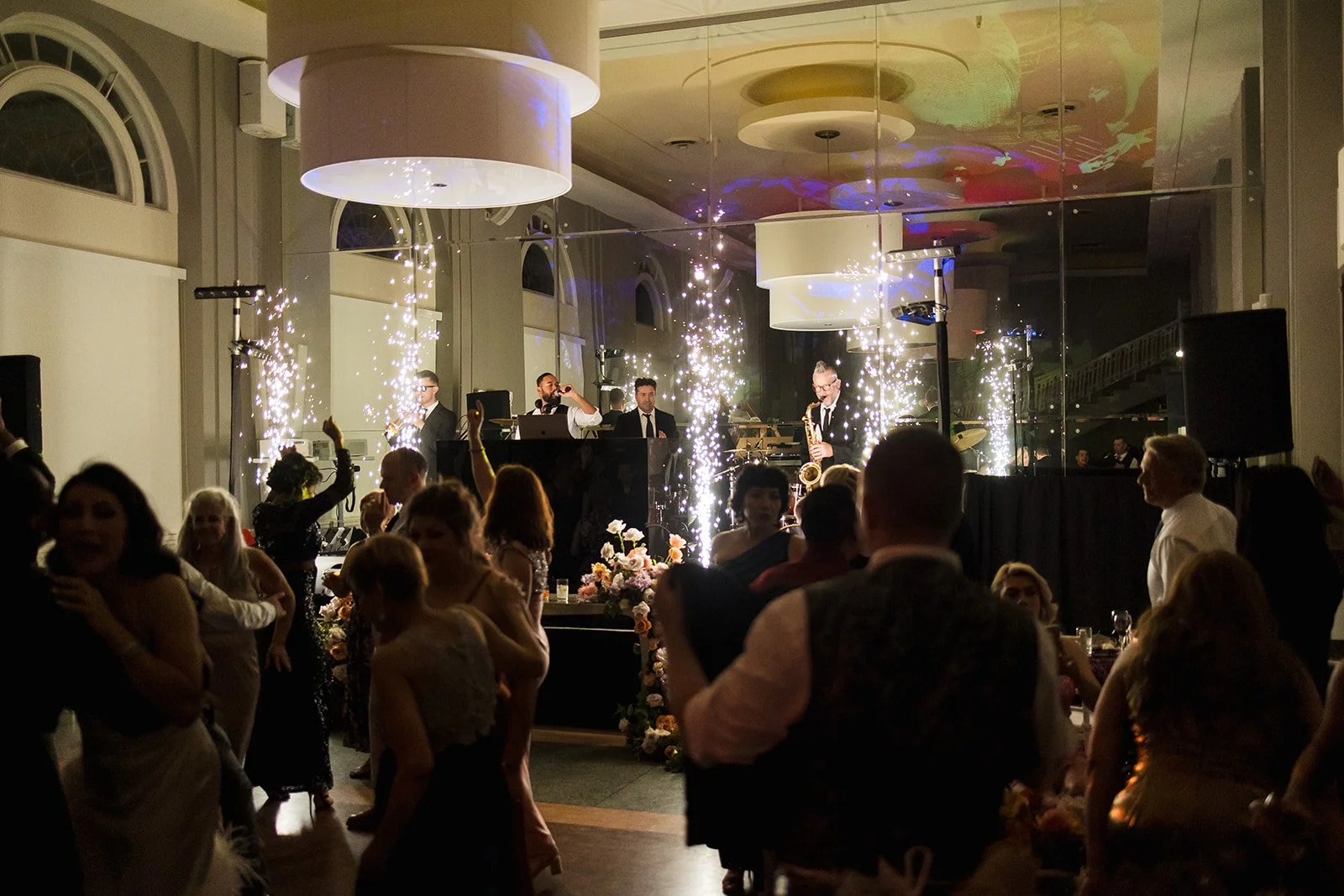
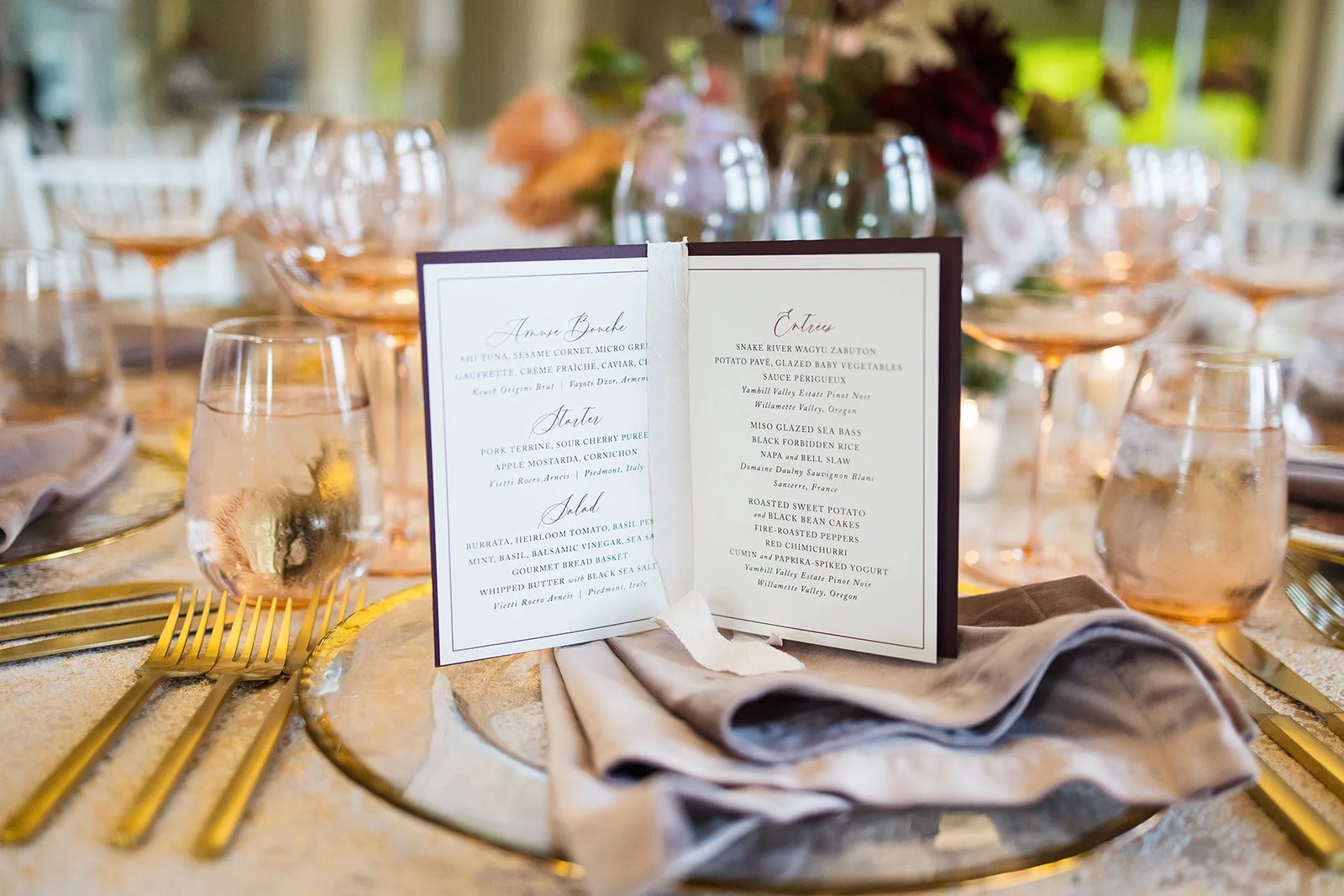
photo credits: Russell Heeter, Cadence & Eli, Cadence & Eli
plan moments that shift the energy
Even with a strong timeline and well-planned flow, you’ll benefit from moments that introduce variation and keep the experience from feeling too consistent throughout the night. Without fun and interesting shifts, even a beautifully executed event can begin to feel one-dimensional.
These moments do not need to be elaborate or overproduced, but they should be intentional; offering guests something new to engage with as the evening progresses. This could be as simple as a late-night snack appearing at the right moment, or a change in lighting that transforms the surroundings.
These shifts don’t need to be dramatic. In fact, the best ones often feel subtle:
Late-night food moments that arrive exactly when energy dips
Lighting changes that transform the atmosphere as the night progresses
A second-wave entertainment set or live performance later in the evening
A late-night bar experience (espresso martinis, whiskey tasting, champagne bar)
Surprise snacks or interactive food moments on the dance floor
A shift in music style or DJ set pacing
What matters most is that these elements are integrated thoughtfully into the timeline, so they feel like a natural part of the experience rather than an interruption. When done well, they help maintain momentum and ensure that the wedding continues to feel dynamic and engaging from beginning to end!
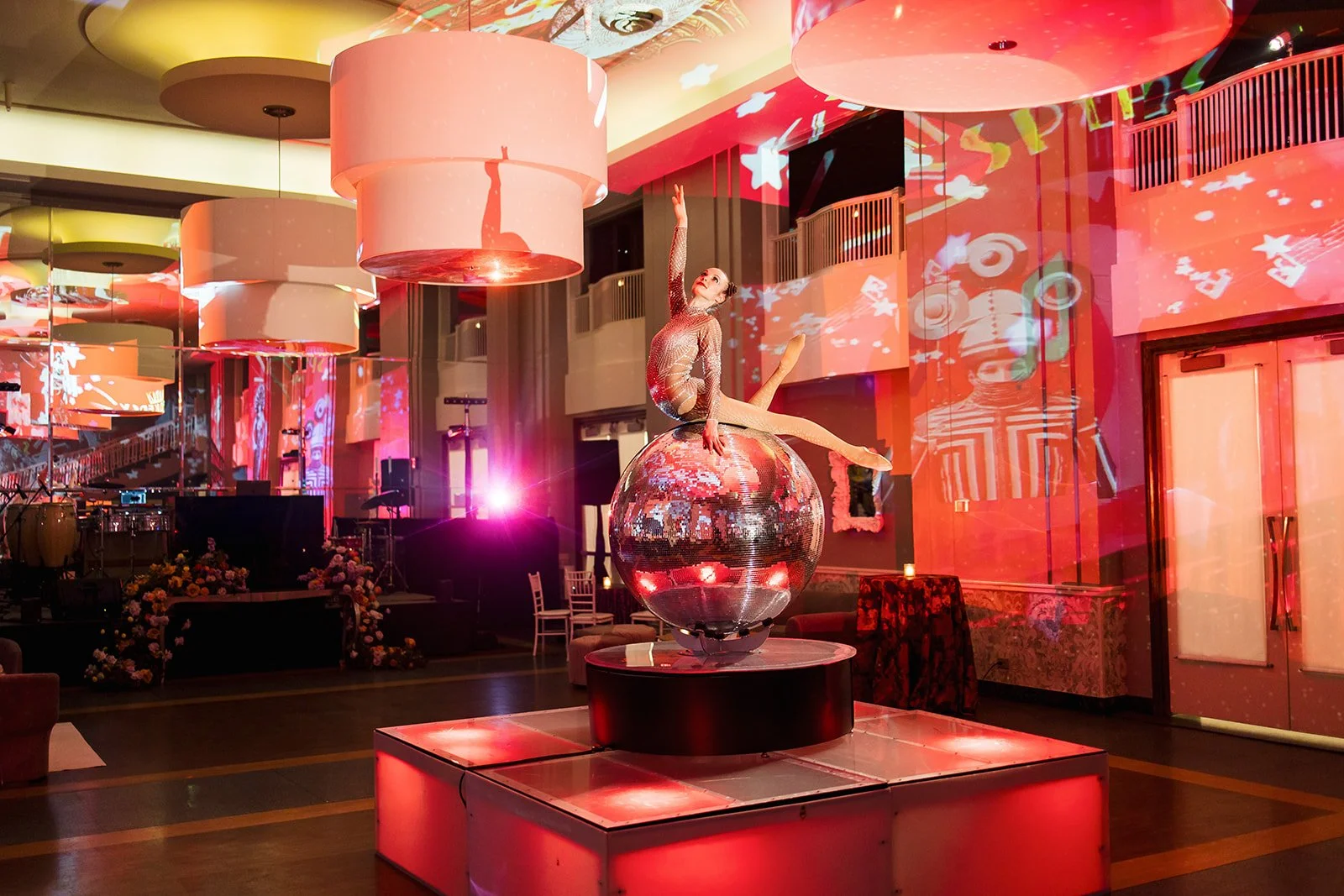
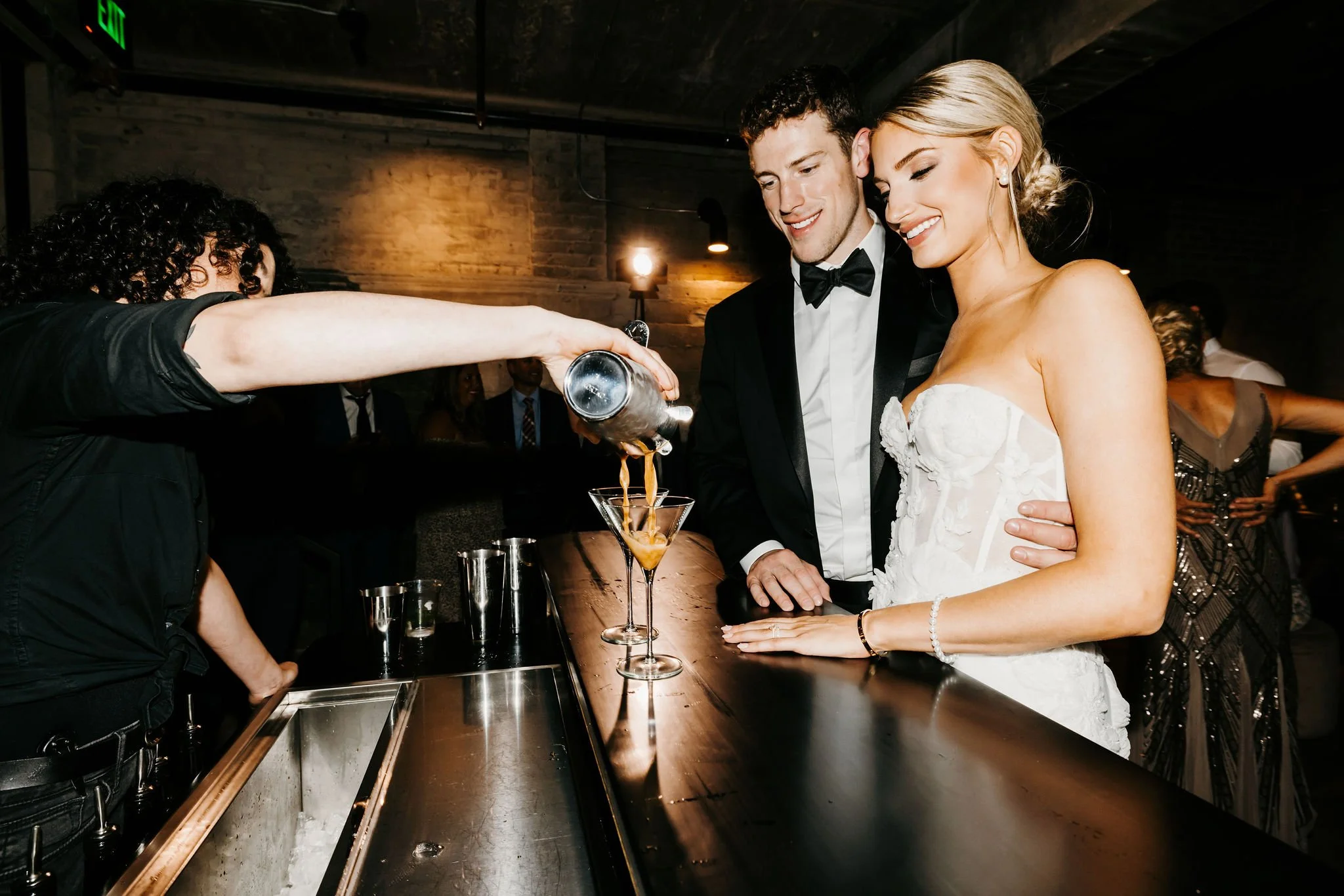
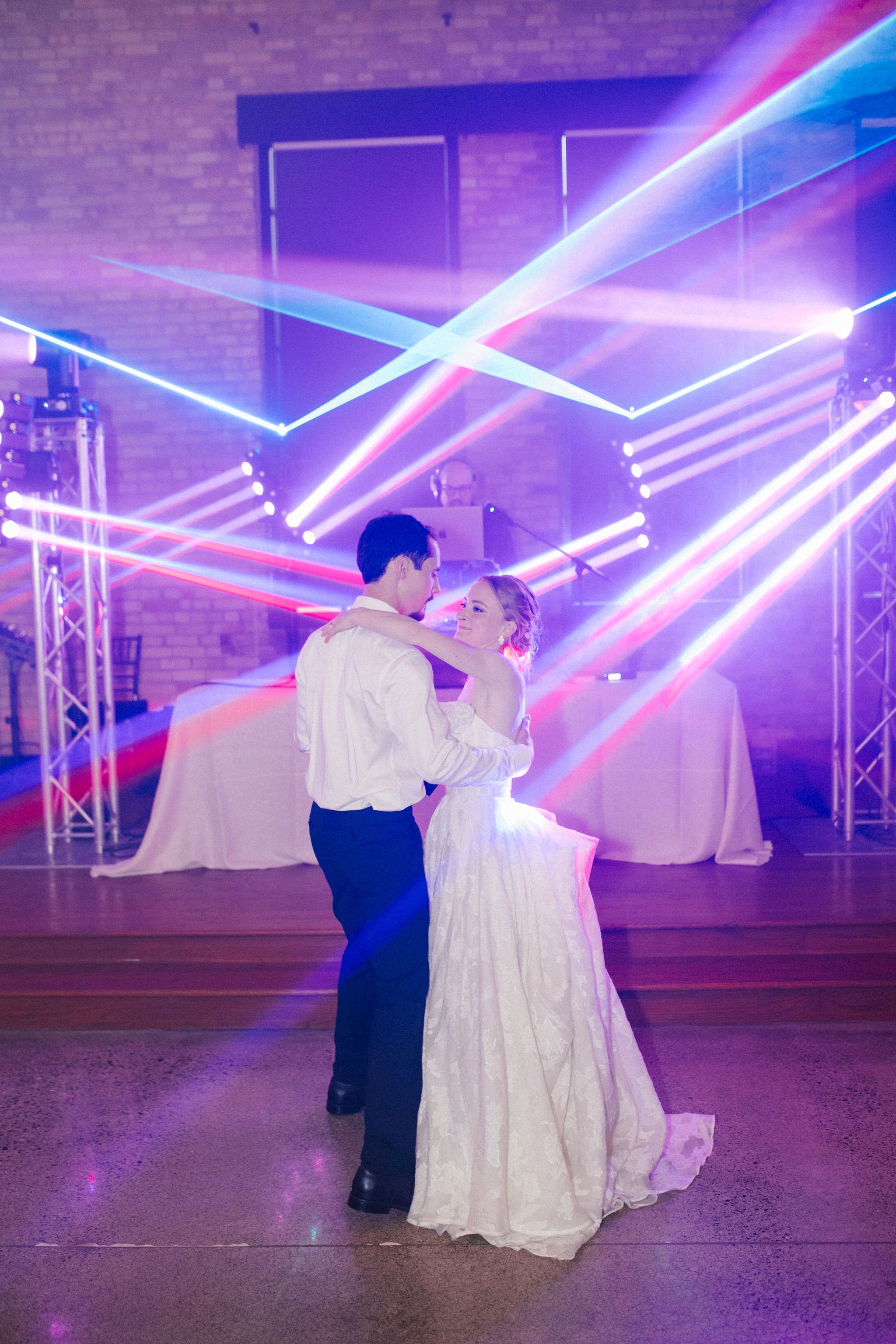
photo credits: Cadence & Eli, Russell Heeter, Kellie Rae
the details you don’t see are doing the most work
One of the most overlooked aspects of wedding planning is the amount of coordination and logistical management required to ensure that everything runs smoothly behind the scenes. While guests experience the event as a series of seamless transitions and well-timed moments, there is a significant amount of planning, communication, and real-time coordination happening in the background to make that possible.
When these elements are handled correctly, they go entirely unnoticed, allowing the event to feel effortless and well-paced. However, when they are not, even small issues can disrupt the flow and impact the overall guest experience.
Behind the scenes, this often involves coordinating:
Vendor communication and timing.
Floorplans and guest flow within the space.
Setup, transitions, and breakdown logistics.
Music, lighting, and moment-by-moment execution.
A well-run wedding allows you to be fully present, without needing to manage logistics or problem-solve throughout the day, which ultimately creates a more enjoyable and meaningful experience for everyone involved! When it isn’t, the guest experience feels fragmented, even if everything looks beautiful on the surface. This is where hiring an experienced wedding planner becomes invaluable. A strong, thoughtful planner will work through all of this for you, in addition to providing numerous other benefits, so you can stay fully present for your day.
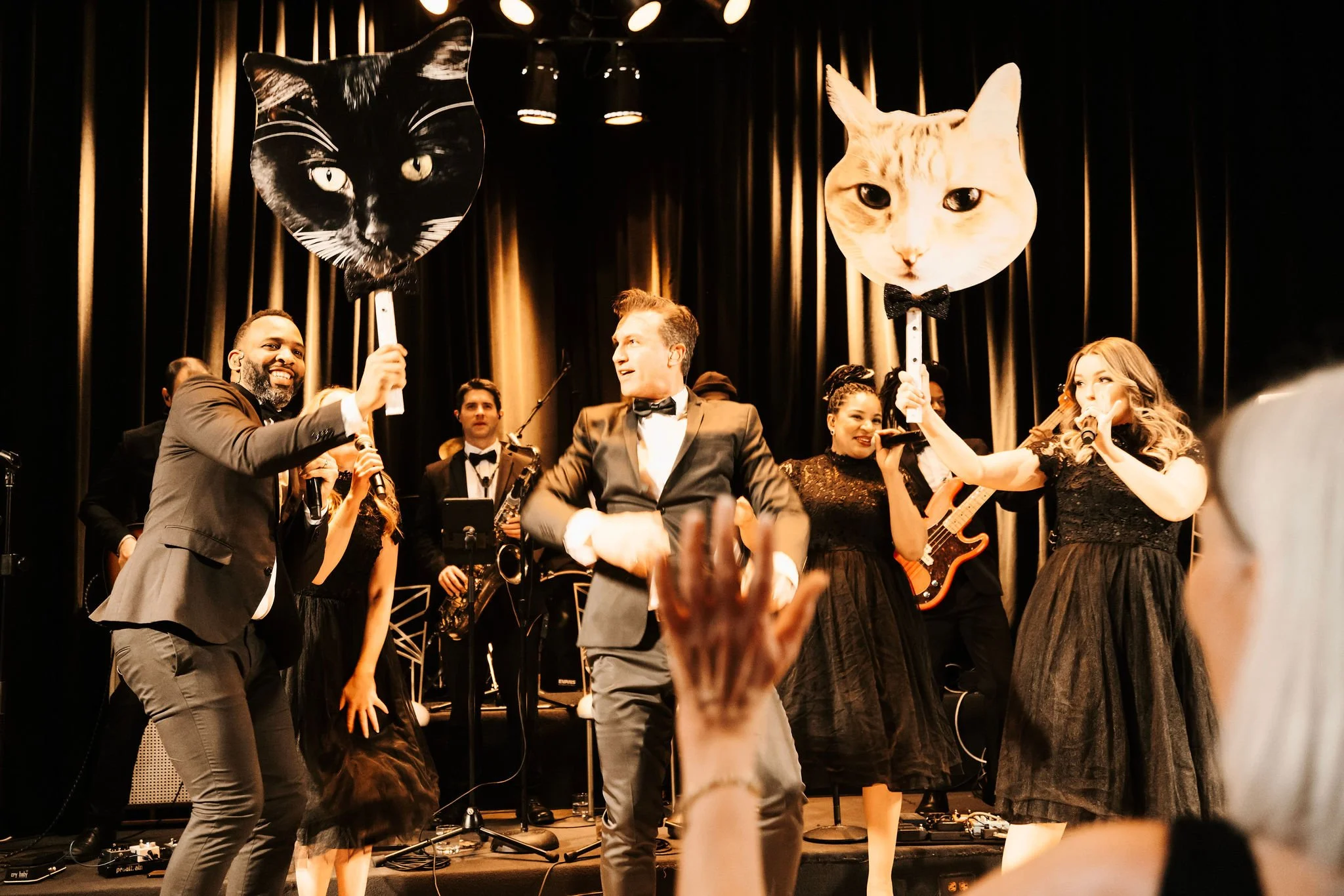

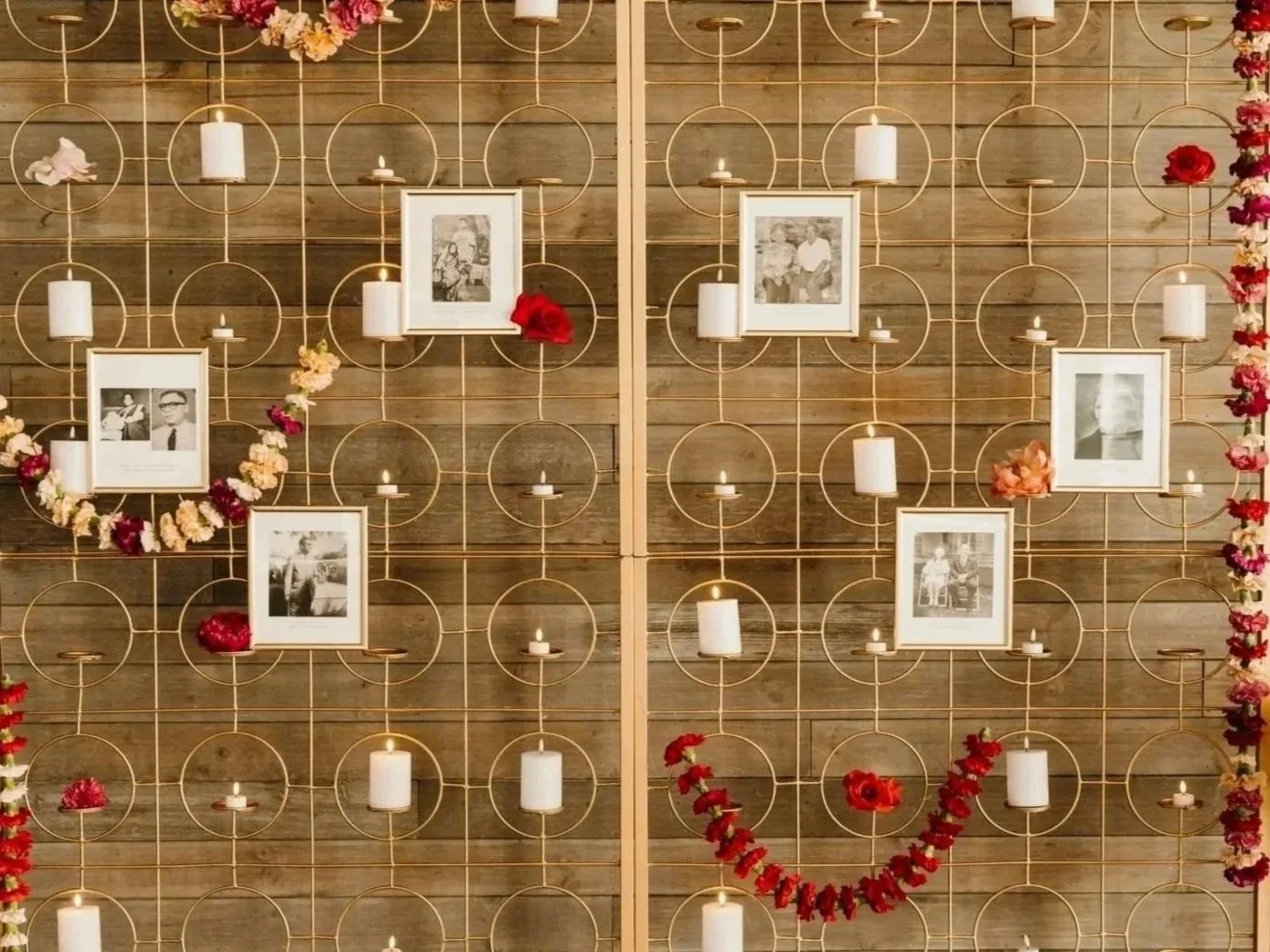
photo credit: Russell Heeter, Robert Evans, Russell Heeter
final thoughts…
A truly great wedding is not defined by how elaborate or beautiful it is, but by how intentionally each element is planned and executed. It is the result of thoughtful decisions around wedding timeline, guest experience, wedding design, and logistics, all working together to create a celebration that feels seamless and engaging from beginning to end.
When the flow of the evening is carefully considered, guests remain engaged without feeling rushed or fatigued, and when their experience is prioritized, they naturally contribute to the overall energy of the event. Well-timed moments of variation keep the experience dynamic and memorable.
Thus, when all of these elements are aligned, the result is not just a beautiful wedding, but one that feels elevated, immersive, and genuinely enjoyable to attend; in other words, a “truly great wedding!” And ultimately, that is what guests remember long after the event itself has ended.
Want more assistance in planning your dream wedding? For a well-planned event with a luxury feel, Style-Architects Weddings has you covered. With decades of experience in designing, planning, and coordinating high-end weddings, we’ll take care of every detail so you don’t have to stress about a single thing.
As Minnesota wedding planners and designers, we provide award-winning, high-end services tailored to discerning couples across the region. With a focus on meticulous design, seamless execution, and personalized experiences, we bring each couple’s unique vision to life while managing every detail with professionalism and care. Our expert teamwork combines creativity and precision to ensure a flawless celebration, reflecting sophistication and elegance at every step.
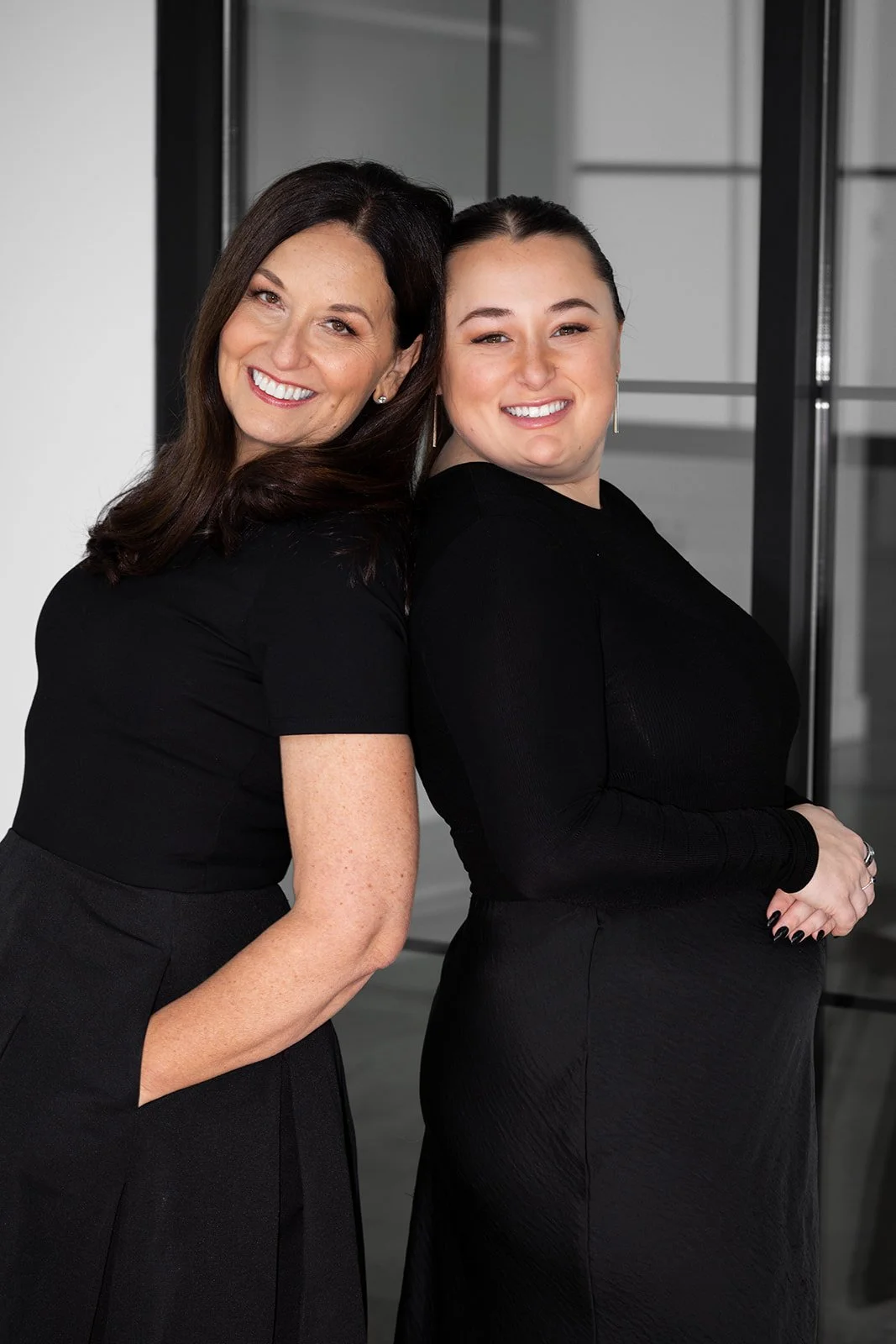
mother-daughter
dream team
Hey there! We’re Rachelle and Anna—mother and daughter…by law, but we like to think of it as family by design. Rachelle’s been in the wedding and events world for over two decades, and for half of that time, she’s had Anna by her side. Our love for details and logistics pairs perfectly with our skill for style and design, making us the ultimate left-brain/right-brain dream team. That’s why we’re called Style-Architects Weddings! We’re obsessed with what we do, and with over 20 awards under our belt, we’re confident we can turn your dream day into a reality.
Rachelle, owner of Style-Architects Weddings, brings a distinctive blend of business expertise and creative vision to every celebration. With an MBA and a background in corporate event planning, she excels at organization, budgeting, and project management while pairing those skills with a refined design sensibility. Her passion lies in creating weddings that feel effortless, meaningful, and beautifully curated; events that reflect each couple’s unique story. Under her leadership, Style-Architects Weddings has been recognized with awards from the International Association of Live Events, The Knot, and Minnesota Bride, and is regularly featured in leading industry publications.
Anna is a seasoned wedding planner with deep experience in event design and logistics, known for her calm approach and meticulous attention to detail. Since 2013, she has been dedicated to crafting personalized celebrations that are both thoughtfully designed and flawlessly executed. Anna’s focus is on ensuring couples feel supported throughout the process, allowing them to enjoy a stress-free planning experience and a wedding day that feels as effortless as it is beautiful. Her work with Style-Architects Weddings has earned industry recognition and consistent features in publications such as Minnesota Bride, a testament to her commitment to excellence.